Trick Or Vote

Trick Or Vote

You are a Citizen. Exercise Your Right To Vote. Know all the Rights Your are Entitled of.

Learn More About Your Rights

trick or vote media
The most important office, and the one which all of us can and should fill, is that of private citizen.
Louis Brandeis
Featured

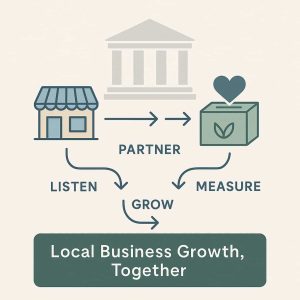
How City Governments Can Partner With Nonprofits to Help Local Businesses Grow

Cities rely on small and midsize businesses for jobs, tax revenue, and neighborhood stability, but many owners lack the time or guidance to manage permits or access funding paths. This is where partnerships matter, city governments and nonprofits working together can form a smarter support system that keeps momentum alive for local business growth. Even guide hubs that push practical support like visit Stand With Main Street reinforce this, offering small business information, tool-driven guidance, and founder-first clarity through Main Street initiatives. When both sides collaborate, support becomes shared, structured, and far easier to scale without draining limited resources.

Here is a simple blueprint cities can use, along with free guides any municipality or nonprofit can adapt for its own programs.

1. Start With a Shared Understanding of Local Needs

City agencies often see the regulatory side of business development. Nonprofits see the day-to-day struggles owners face. Putting these perspectives together gives a clearer picture of what local businesses actually need.

A city can begin by hosting joint listening sessions with nonprofits and business owners. Keep them short and focused. Ask about the obstacles that slow down growth, whether it is slow permitting, a lack of bookkeeping skills, or trouble finding employees with specific skills. Then list those issues in plain language and agree on which ones need attention first.

Free Guide 1: Community Needs Checklist

  • Top five challenges reported by business owners
  • Services nonprofits currently offer
  • Policies or programs that the city can adjust
  • Neither group is filling the gaps.
  • Shared goals for the next year

This simple document helps both sides stay aligned before launching any major project.

2. Build a Clear and Workable Partnership Structure

Partnerships fall apart when roles get fuzzy. The city does not need to run workshops or coach entrepreneurs. Nonprofits do not need to write policy or manage public funds. Each should focus on what it does best.

A basic structure could look like this:

  • City role: streamline processes, offer funding, provide data, and promote programs
  • Nonprofit role: deliver training, offer hands-on support, and lead community outreach

Add one point of contact on each side to avoid confusion.

Free Guide 2: Partnership Role Map

  • Specific responsibilities for each partner
  • Decision-making process for new initiatives
  • Communication schedule for weekly, monthly, and quarterly check-ins
  • Expected outcomes and how they will be measured

Keeping this map simple encourages both sides to stick with it.

3. Create Easy and Low-Cost Programs That Directly Support Growth

Cities and nonprofits do not need to build large programs to make a meaningful impact. A few targeted supports can help businesses get over common hurdles.

Here are three practical examples:

A. “Permit Navigator” Days

The city can offer one or two monthly sessions where a staff member and a nonprofit advisor help business owners complete key forms on the spot. This reduces the back-and-forth that often delays openings and expansions.

B. Financial Basics Workshops

Nonprofits can lead training on cash flow, pricing, bookkeeping, and simple forecasting. The city can provide space or small grants to cover the cost of materials. Many owners want help with these skills but feel uncomfortable asking for it. Regular sessions build confidence and prevent avoidable mistakes.

C. Local Procurement Pipeline

Cities often struggle to buy from smaller vendors because owners do not know how to register or bid. A nonprofit can walk businesses through the process while the city simplifies paperwork where possible. Even a few new contracts can stabilize revenue for local companies.

4. Share Data and Track Real Outcomes

Cities have access to business license data. Nonprofits understand which owners are using services and which ones drop off. When these datasets stay separate, neither side sees the whole picture. But when both share basic, non-sensitive information, they can understand what is working and what is not.

Useful shared metrics include:

  • Number of businesses that complete permits faster
  • Businesses that attend workshops and later report revenue growth
  • Owners who secure loans or grants after receiving support
  • Job creation by participating businesses

Avoid collecting more data than needed. Consistent and straightforward numbers lead to better decisions.

Free Guide 3: Outcome Tracking Template

  • Program name
  • Month-to-month participation
  • Key results
  • Notes from both partners
  • Action items for the next cycle

5. Make the Programs Easy to Find

Even the strongest partnership fails if business owners do not know it exists. Cities and nonprofits should use the channels they already have instead of creating new ones that later go quiet.

A practical approach:

  • The city posts a single Local Business Support page with a clear list of services
  • Nonprofits link to that page and promote events through newsletters and social media
  • Both partners share the same calendar to avoid duplicated or conflicting workshops

Visibility is half the battle. Once owners try one program, they usually stay involved.

6. Review and Adjust Every Six Months

Conditions change, and so do business needs. A short review twice a year helps both sides refine what they offer. Ask three simple questions:

  1. What is assisting businesses the most?
  2. What is taking effort but creating little value?
  3. What needs to be added or removed?

This keeps the partnership practical rather than ceremonial.

Closing Thoughts

When city governments and nonprofits work together with clear goals and simple processes, they provide steady, reliable support for local businesses. That support helps owners grow, hire, and invest in their communities. The blueprint above provides both sides with a starting point, with clear roles, shared information, and small programs that solve real problems. From there, a stronger local economy can grow one business at a time.

Featured

Politics and the Chinese Dress: A Look into Culture, Identity, and Power

The Chinese dress, often referred to as the cheongsam or qipao, is more than a fashion statement. It carries layers of history, national identity, and politics. Over the years, this traditional garment from RobesChinoises has moved through dynasties, revolutions, and global fashion trends—shaped by and shaping how people see Chinese culture.

The Origins of the Chinese Dress

The qipao has its roots in the Qing Dynasty (1644–1912). Originally worn by Manchu women, the early version was loose and covered most of the body. It became more fitted and stylized in the 1920s and 1930s, especially in cities like Shanghai. During this time, it started to reflect a more modern and urban lifestyle.

This period saw China experiencing strong political changes—Western influences were growing, and local intellectuals were calling for modernization. As women began to step out of traditional roles, their clothing changed too. The new version of the qipao became a symbol of the modern Chinese woman—independent, educated, and worldly.

Fashion as a Political Statement

Clothing often reflects political ideas, and the Chinese dress is no exception. After the Communist Revolution in 1949, the qipao was viewed by some as a sign of old or capitalist China. It was seen as bourgeois, linked to elite lifestyles that the new government wanted to leave behind. During the Cultural Revolution, most people were encouraged to wear simple, uniform clothing like the Mao suit.

At the same time, overseas Chinese communities and fashion designers in Hong Kong and Taiwan kept the qipao alive. In these places, it continued to evolve. It became a cultural symbol, proudly worn during festivals, beauty pageants, and international events to showcase Chinese identity. The difference in how the qipao was treated in different political systems highlights how one piece of clothing can take on very different meanings.

Global Perception and Controversy

Today, the qipao is recognized around the world as a key symbol of Chinese culture. It often appears at diplomatic events, in films, and on global fashion runways. Celebrities and politicians have worn it to show respect or interest in Chinese culture. But this can sometimes lead to controversy.

For example, when non-Chinese people wear the qipao, especially in Western countries, debates about cultural appropriation often follow. Some argue it is disrespectful if worn without understanding its meaning or history. Others say fashion is global, and sharing styles is a way of building cultural bridges.

Even within China, wearing the qipao can carry different political messages. In recent years, there has been a rise in hanfu—another traditional Chinese style from the Han dynasty—driven by nationalist pride. This movement encourages people to embrace older, “purer” forms of Chinese clothing as a sign of cultural revival. The choice to wear qipao versus hanfu can sometimes reflect political or social views.

The Role of the Qipao in Modern Politics

Chinese political leaders and public figures still use traditional clothing, including the qipao, as a soft power tool. First ladies and female diplomats often wear the qipao when representing China abroad. This promotes a graceful, unified image of Chinese culture and reinforces national pride.

At the same time, modern versions of the dress are being reclaimed by younger generations. They are styled in new ways, mixing traditional designs with modern fashion trends. This has allowed the qipao to become part of a larger cultural conversation about what it means to be Chinese in a changing world.

Social media has also played a role. Young people in China and across the world now use platforms like TikTok and Instagram to share their own takes on the qipao. Sometimes it’s used to support political causes, highlight heritage, or push back against stereotypes.

Politics, Identity, and the Power of Clothing

In the end, the Chinese dress reflects the complexity of identity and politics. It reminds us that fashion is not just about what we wear—it’s also about what we believe, where we come from, and how we want to be seen. Whether it’s worn on the global stage or in everyday life, the qipao continues to carry messages that go far beyond its fabric.

As China continues to shape its place in the global order, expect to see more cultural symbols like the qipao being used in political, diplomatic, and media settings. What once started as everyday wear has become a powerful part of national identity and international conversation.

Featured

Language as Power: Why Politicians Should Join a Spanish Immersion Program

group of diverse politicians

Over 41 million people in the United States speak Spanish at home. That number keeps rising. Yet, many political leaders remain limited in their ability to directly communicate with this growing community. This gap can create misunderstandings, fuel distrust, and weaken public service efforts. When language becomes a barrier, representation suffers.

For politicians aiming to lead diverse populations, language fluency is more than a skill—it’s a responsibility. Immersion programs offer a powerful solution. These programs go beyond traditional classes and place learners in real-world Spanish-speaking environments. To better understand what are immersion programs and how they work, it’s essential to see them as cultural bridges—offering language learning through direct experience with local communities, conversations, and daily activities.

Why Spanish Matters in U.S. Politics

Spanish is the second most spoken language in the U.S., and the number of bilingual communities continues to grow. From Los Angeles to Miami to Chicago, millions of residents speak Spanish as either a first or second language. When elected officials are unable to communicate with a significant portion of their constituents, they risk alienating them. Language shapes connection, and connection builds trust.

Politicians who understand and speak Spanish can engage with communities more personally and effectively. It helps during town halls, media interviews, emergency updates, or even casual visits to local events. Language is not just about speaking—it’s about listening and showing respect. That kind of effort doesn’t go unnoticed.

Cross-Border Issues Need Bilingual Insight

Language barriers are especially noticeable when dealing with international or border-related issues. Topics like immigration, trade, public safety, and humanitarian aid require direct collaboration with Spanish-speaking nations and organizations. Politicians equipped with even conversational Spanish have a much stronger grasp of the nuances involved in cross-border relationships.

For example, consider a U.S. senator working on immigration reform who spends time in Latin America through an immersion program. That hands-on experience doesn’t just improve their Spanish. It deepens their cultural awareness, fosters empathy, and provides firsthand insight into the reasons behind migration. That depth of understanding leads to more humane and informed policymaking.

Immersion Programs Build Real-World Skills

Unlike classroom learning, immersion teaches language through living it. Participants eat, shop, and interact in Spanish daily. They gain not just vocabulary, but tone, slang, rhythm, and cultural meaning. For political leaders, this makes public communication more natural and sincere.

These programs are often short-term, intensive, and highly customizable—perfect for busy public servants. Whether it’s a two-week trip or a month-long experience, the benefits extend far beyond the program itself. Leaders return home with sharper communication skills, better cultural understanding, and more confidence in reaching out to their Spanish-speaking constituents.

Rebuilding Trust Through Language

Many Spanish-speaking citizens have felt ignored or misunderstood by their government. This isn’t just about language—it’s about feeling seen and heard. When a politician makes the effort to speak directly, even if imperfectly, it sends a powerful message. It says, “You matter.”

Public trust is hard to win and easy to lose. But small, sincere efforts—like learning the community’s language—can make all the difference. This trust helps in campaigns, public service programs, and emergency responses. It also brings diverse voices into the conversation and strengthens democracy as a whole.

More Than a Skill—A Statement of Values

When a politician joins a Spanish immersion program, it’s not just for personal gain. It’s a statement. It shows they value inclusivity, adaptability, and global thinking. It signals a commitment to serving all members of their constituency—not just the English-speaking majority.

It also sets an example for staffers, colleagues, and future leaders. Imagine a future where bilingualism is the norm among elected officials. Imagine town hall meetings where language doesn’t divide but connects. That future is within reach, but only if leaders are willing to take the first step.

READ ALSO: How to Immerse Yourself in the Richness of Travel, Minus the Political Noise

Conclusion: Immersion as a Leadership Tool

Political leaders must adapt to serve modern, multicultural societies. Language is central to that adaptation. Spanish immersion programs offer a direct path to better leadership, deeper understanding, and stronger public trust. It’s time we see bilingualism not as an extra skill, but as a vital tool for public service.

In politics, words matter. But which words—and in which language—can shape how deeply those words are felt. For politicians, learning Spanish isn’t just smart—it’s necessary.

Featured

The Power of Wreaths: How Symbols Shape National Identity and Political Messaging

Traditional dried flower wreathWreaths have been used for centuries to mark power, mourning, unity, and memory. From the laurel crowns of ancient Rome to the floral wreaths laid at memorials today, they convey powerful messages that extend far beyond mere decoration. Their shapes and materials may vary, but the symbolism remains strong, offering comfort, pride, and collective memory across nations.

In Germany, wreaths are often part of solemn state events, remembrance days, and public holidays that commemorate historical milestones. Their quiet presence speaks volumes. Handcrafted wreaths, like those offered through natural floral decor online at Farbenkranz, demonstrate how traditional crafts continue to hold cultural significance in modern society. These designs are more than aesthetic—they echo identity, tradition, and respect.

Wreaths and Political Rituals

Political symbolism depends heavily on visuals. Wreaths play a recurring role in events that seek to evoke dignity, loss, or unity. At state funerals, wreaths are placed by political leaders as a mark of honor. During national remembrance ceremonies, such as Volkstrauertag in Germany or Remembrance Sunday in the UK, wreath-laying by military officials and political figures serves as a collective expression of mourning and memory.

The circular form of the wreath, with no beginning or end, symbolizes eternity and continuity. This is why it often appears in ceremonies that address historical memory, national sacrifice, or even victory. The act of laying a wreath isn’t merely symbolic—it’s a performance of values: respect for the fallen, reverence for tradition, and unity across political lines.

Symbols That Unite and Divide

Throughout history, political groups have co-opted symbols to reinforce their identities or evoke emotional responses. In times of political tension or change, wreaths have been used in protests as both a peaceful gesture and a silent critique. For example, laying a wreath outside a government building can draw attention to a perceived injustice or a forgotten tragedy. The symbolism is gentle but firm. It delivers a message without the need for banners or slogans.

During anti-war demonstrations in the 20th century, protesters would lay wreaths at war memorials to highlight the cost of conflict. The gesture connected past and present, urging society to reflect on national decisions. In this way, wreaths became a visual protest—one that used tradition to ask difficult questions.

Germany’s Wreath Traditions and Cultural Identity

Germany’s relationship with wreaths runs deep. Seasonal and holiday wreaths are woven into everyday culture—from the festive Advent wreaths hung during Christmas to the grave wreaths carefully laid each November. These traditions reflect a national rhythm, one that values continuity and remembrance.

What makes German wreath-making particularly unique is its balance between precision and creativity. The wreaths from regions like Bavaria or Saxony showcase regional flora and traditional craft techniques. They reveal not just artistic style, but regional identity. When these crafts are revived or preserved, they become a form of cultural resistance to mass production and globalization. Supporting local makers also helps maintain an artistic voice.

Wreaths as Modern Political Tools

Though they are rooted in tradition, wreaths are far from outdated. Political campaigns, public commemorations, and international peace events continue to rely on them to convey messages of solidarity. When political figures from opposing sides join together to lay a wreath, it signals unity. When foreign dignitaries participate in wreath-laying at historical sites, it can mark reconciliation or diplomatic respect.

The use of flowers in these wreaths is also carefully considered. Red poppies, white lilies, or native blooms each carry coded meanings. A wreath filled with native wildflowers may subtly promote national pride, environmental values, or rural heritage. These design choices—intentional or not—form part of the message.

Traditional Crafts in Modern Politics

Far from being a forgotten art, wreath-making is finding new relevance. Whether created for a political ceremony or home decor, a wreath ties the present to the past. When these are made by hand—as with the dried floral designs of Farbenkranz—they offer more than beauty. They offer symbolism. They speak to our values, our heritage, and the meanings we assign to moments. Some people are also finding ways to explore cultural traditions beyond political narratives, where crafts like wreaths become symbols of community, rather than controversy.

As society leans toward fast, digital, and disposable, handcrafted symbols like wreaths provide a grounding contrast. They remind us that meaning is often built slowly, woven with care, respect, and thought. Political messages may evolve, but symbols like wreaths will continue to hold space in public life, quietly reminding us of who we are and what we value.

Conclusion

Symbols shape how people view themselves and their nation. Wreaths—profound yet straightforward—carry political weight that transcends language and party lines. Whether placed in honor, in protest, or celebration, they offer a visual language that resonates with cultural memory. In the hands of artisans and leaders alike, they remind us that tradition is not static—it speaks, it adapts, and it continues to influence the stories we tell as nations.

Featured

The Role of Government Policies in Shaping Australia’s Roofing Industry

metal roofing installationGovernment regulations, including building codes, environmental policies, and trade restrictions, greatly influence Australia’s roofing industry. These regulations shape the practices of roofing businesses and impact homeowners’ decisions regarding the choice of materials and construction methods. Sustainable practices are also being encouraged, with policies promoting using environmentally friendly materials such as cool roofs. As these changes continue to unfold, they present challenges and opportunities for the roofing industry in Australia.

Government policies in Australia have a direct influence on how roofing businesses operate. For instance, building codes determine the types of materials used in the construction of roofs, ensuring that they meet certain safety and durability standards. One notable example is the Green Scope (https://www.greenscopeco.com.au) initiative, which encourages the adoption of sustainable materials like cool roofs. Cool roofs reflect more sunlight and absorb less heat, helping to reduce energy consumption and combat the urban heat island effect in Australian cities.

Building Codes and Regulations

The Australian government has established a range of building codes to ensure safety, sustainability, and durability in construction. The National Construction Code (NCC) is one of the roofing industry’s most important regulatory frameworks. It outlines the minimum standards for roofing systems, such as fire resistance, wind load resistance, and thermal performance. Compliance with these codes is essential for roofing businesses to operate legally and for homeowners to ensure the safety of their properties.

Building codes are not static; as research and technology evolve, the government regularly updates these codes. For example, there have been increasing demands for energy-efficient buildings in Australia. As a result, the NCC now includes guidelines on the insulation and ventilation of roofs to enhance energy efficiency. Roofing businesses need to stay informed about these updates to remain compliant and competitive in the market.

Environmental Policies Impacting the Roofing Industry

Environmental policies are another major factor shaping the roofing industry in Australia. These policies promote the use of sustainable materials and the reduction of carbon footprints. The Australian government has introduced various initiatives to encourage the adoption of eco-friendly materials, such as cool roofs and recycled roofing products. Cool roofs, which are designed to reflect sunlight and absorb less heat, are a key component of Australia’s strategy to reduce the energy consumption of buildings.

Federal and state governments have incentivized businesses and homeowners who opt for sustainable roofing solutions, including subsidies and tax breaks. These policies aim to drive the transition towards greener buildings and mitigate the effects of climate change. For roofing companies, these incentives create opportunities to offer their clients more sustainable solutions while benefiting from reduced operational costs and increased demand for energy-efficient products.

Trade Restrictions and Their Effect on the Roofing Industry

Trade restrictions can also have a significant impact on the roofing industry in Australia. International trade policies, tariffs, and import regulations can affect the cost and availability of roofing materials. For example, if a particular type of roofing material is imported from overseas, any trade agreement or tariff changes could lead to price fluctuations. Roofing businesses must know these external factors when sourcing materials for their projects.

In some cases, trade restrictions have encouraged the growth of local industries. For instance, when import restrictions were placed on certain materials, Australian manufacturers stepped in to meet the demand. This shift towards local sourcing can help boost the local economy and reduce reliance on imported goods. However, businesses must still navigate complex trade policies to ensure they can maintain a competitive edge in the market.

Subsidies for Sustainable Roofing Materials

One of the most positive developments in the Australian roofing industry has been the government’s push to adopt sustainable roofing materials. Cool roofs, for example, are gaining popularity due to their energy-saving benefits. These roofs reflect more sunlight, reducing the need for air conditioning in buildings and lowering energy costs. The Australian government has offered various subsidies to encourage homeowners and businesses to install cool roofs, further driving the growth of this segment in the roofing market.

These subsidies represent a significant opportunity for roofing businesses to expand their offerings. By promoting the benefits of cool roofs and other sustainable materials, companies can attract environmentally-conscious clients and take advantage of government incentives. Homeowners also stand to benefit from reduced energy bills, making sustainable roofing an attractive option in the short and long term.

Challenges and Opportunities for the Roofing Industry

While government policies and subsidies pave the way for sustainable practices, they also present challenges. Roofing businesses must keep up with the constantly evolving regulatory landscape. Compliance with building codes, environmental policies, and trade restrictions requires ongoing education and adaptation. For small businesses, navigating these complex regulations can be a daunting task.

However, the opportunities are abundant for businesses willing to invest in sustainability. The shift towards energy-efficient buildings and green roofs is creating new avenues for growth in the roofing industry. As Australian cities continue to grow and climate change remains a pressing concern, demand for eco-friendly roofing solutions will likely increase.

READ ALSO: Understanding the Political Implications of Relocating and How it Will Affect Your Life

Conclusion

Government policies have played a pivotal role in shaping the Australian roofing industry. Regulations surrounding building codes, environmental policies, and trade restrictions impact the materials used, the cost of roofing projects, and the sustainability of buildings. The push for green roofs and sustainable materials is essential to Australia’s strategy to tackle climate change and reduce energy consumption. With the right support and incentives, roofing businesses can leverage these changes to drive growth while also contributing to a more sustainable future for Australia.

Featured

Bridging the Educational Gap with Math Tutoring in Policy Development

tutor programEducational inequality remains a major issue in many communities. Students from low-income backgrounds often struggle to access quality tutoring, putting them at a disadvantage compared to their peers. Addressing this gap requires strong policy initiatives that support math education and provide additional resources to those in need.

One solution is targeted math tutoring programs. Local initiatives, such as working with a middle school math tutor Wilmington, can help students build foundational skills and improve academic performance. These programs benefit students and influence broader political discussions on educational equity.

The Role of Policy in Math Education

Education policies shape how students receive support in schools. Governments and local authorities can be crucial in funding tutoring services, especially in underserved communities. Policymakers can reduce disparities in education by allocating resources toward structured math tutoring.

Research shows that students who receive consistent math tutoring perform better in standardized tests and overall academic achievement. However, without proper policies in place, many families cannot afford private tutoring. This gap continues to widen the divide between students from different socioeconomic backgrounds.

How Math Tutoring Impacts Political Agendas

Investing in math education has political implications. Lawmakers who advocate for stronger educational policies often gain public support, particularly from parents and educators. Proposing bills that increase funding for math tutoring can become a key talking point in political campaigns.

Additionally, education reform is closely tied to economic policies. A workforce with strong math skills contributes to technological advancements and economic growth. Policymakers who recognize this link push for stronger math education initiatives to prepare students for future careers in STEM fields.

Community Involvement and Government Support

Grassroots efforts can drive policy changes. Parents, teachers, and community leaders who see the benefits of math tutoring can advocate for its expansion in public schools. When local governments collaborate with private tutoring organizations, they create sustainable solutions that help students succeed.

For example, cities that implement publicly funded tutoring programs see noticeable improvements in student performance. These programs also reduce the burden on teachers, allowing them to focus on delivering quality instruction while tutors provide additional support.

READ ALSO: Political Diversity and Inclusion: Can Recruitment Portals Bridge the Gap?

Long-Term Benefits of Math Tutoring Policies

Well-structured math tutoring policies lead to long-term educational success. Students who develop strong math skills early are more likely to pursue higher education and secure better job opportunities. This, in turn, reduces income inequality and strengthens local economies.

By bridging the educational gap, policymakers improve student outcomes and create a more equitable society. Math tutoring is more than just an academic tool—it’s a pathway to social mobility and economic stability.

Featured

Effective Communication Strategies for Resolving Towing Matters in a Political Landscape

Building relationships and influencing towing policies in a political realm can be a challenging task. ​In the fast-paced world of politics, with the right strategies and dedication, it is possible to make a meaningful impact — effective communication strategies are crucial for resolving towing matters in San Jose. With the constant movement of vehicles and the increasing number of disputes over towing regulations, it is essential for political leaders to find efficient ways to communicate with the community. By incorporating innovative approaches, such as open forums and targeted outreach programs, politicians can bridge the gap between towing service providers and the residents they serve.

Take the time to identify and reach out to local government officials, towing companies, community leaders, and advocacy groups. Building relationships with these stakeholders will provide you with a platform to voice your concerns and propose changes to existing policies.

One key strategy is to host open forums where residents can voice their concerns and provide feedback. By allowing an open and transparent dialogue, politicians can gain insight into the specific issues surrounding towing in San Jose. This approach fosters empathy and understanding, leading to effective solutions that address the needs of both residents and towing service providers. The phrase “towing San Jose” becomes more than just words; it encapsulates the shared goal of creating a towing system that is fair and efficient for all.

It is important to stay informed about the current towing policies in San Jose. Familiarize yourself with the relevant laws, regulations, and procedures. This knowledge will enable you to identify areas that require improvement and propose viable solutions. Attend city council meetings and public hearings to voice your concerns and advocate for changes that benefit the community.

Targeted outreach programs are also vital in resolving towing matters. By engaging with homeowners associations, neighborhood groups, and local businesses, politicians can gather valuable information and ensure that everyone is aware of their rights and responsibilities regarding towing in San Jose. These programs can include informative workshops, distribution of informational materials, and even partnerships with local media outlets to spread awareness. By using the keywords “towing San Jose” in these outreach campaigns, politicians can tailor their message to their target audience, making it more effective and impactful.

Lastly, utilizing digital platforms can significantly enhance communication efforts in resolving towing matters. With the power of social media and online forums, politicians can create spaces for open discussions, address frequently asked questions, and share updates and news regarding towing regulations. By using targeted advertisements and relevant keywords, such as “towing San Jose,” politicians can ensure that their message reaches the widest audience possible. The digital landscape in San Jose and its surrounding communities is vast, and harnessing its potential can lead to more inclusive and comprehensive communication strategies.

In conclusion, effective communication strategies are crucial in resolving towing matters in San Jose’s political landscape. Open forums, targeted outreach programs, and utilizing digital platforms play pivotal roles in ensuring that the concerns and needs of residents and towing service providers are addressed. By incorporating these strategies, towing companies like tow truck San Jose can benefit from policies that are fair and efficient. These policies in the towing system can also benefit the community as a whole.

Featured

Local Governance and Public Safety: The Interplay with Heavy Duty Towing in San Jose

Tow truck pulling a rally car

The interplay between local governance and public safety is a crucial aspect that directly impacts the daily lives of residents in the dynamic urban landscape of San Jose. Among the many facets of public safety, the role of heavy duty towing in San Jose stands out as a critical component influenced by political decisions made at the local governance level.

At the heart of the matter is the need for efficient traffic management and road safety. San Jose, being a hub of economic activities and a bustling metropolitan area, faces constant challenges in maintaining smooth traffic flow and ensuring the safety of its residents. Local governance decisions come into play as they shape policies regarding heavy-duty towing practices, directly influencing public safety measures.

One significant area where local governance impacts public safety is in the regulation of abandoned or illegally parked vehicles. Heavy-duty towing services play a pivotal role in removing these vehicles promptly, preventing traffic congestion and potential hazards. The decision-making process regarding the allocation of towing contracts and the formulation of towing regulations rests in the hands of local authorities.

Moreover, local governance decisions also influence the strategic placement of towing zones and impound lots. By strategically locating these facilities, city officials can enhance the efficiency of heavy-duty towing operations, ensuring quick response times in the event of accidents, breakdowns, or illegally parked vehicles. This, in turn, contributes to minimizing traffic disruptions and improving overall road safety.


ALSO READ: Political Diversity and Inclusion: Can Recruitment Portals Bridge the Gap?


The standards and qualifications set by local governance for heavy-duty towing companies also directly impact the level of service provided to the community. By establishing clear criteria for licensing and operational practices, local authorities can ensure that towing companies adhere to safety protocols, employ trained professionals, and maintain a fleet of well-equipped vehicles. These regulations not only safeguard the interests of residents but also foster a sense of accountability within the towing industry.

Collaboration between local governance and heavy-duty towing services is essential during emergencies, such as accidents or natural disasters. Local authorities must formulate contingency plans that include the swift deployment of towing services to clear roadways and facilitate emergency response teams. The effectiveness of these plans relies heavily on the proactive decisions made by local governance in allocating resources and coordinating with towing companies.

Conclusion

In conclusion, the intricate dance between local governance and public safety, particularly in the context of heavy-duty towing in San Jose, showcases the vital role political decisions play in shaping the urban landscape. By addressing the unique challenges posed by traffic management and towing operations, local authorities contribute significantly to the overall safety and well-being of San Jose’s residents. The interplay between these elements underscores the importance of thoughtful governance in creating a city where public safety is a top priority.

Featured

Political Stance on Sustainable Bloodworm Farming: An Overview

Politicians have been debating the feasibility of sustainable bloodworm farming in recent years. Bloodworms are popularly used as bait in sport fishing and for feeding ornamental fish.

Nonetheless, bloodworm farming can be detrimental to the environment, including nutrient overflow into water bodies and destroying natural habitats. Many of these politicians have taken a stance on sustainable bloodworm farming.

Some politicians think sustainable bloodworm farming can be achieved by creating restrictive regulations and guidelines. These rules might involve restrictions on nutrient emissions into waters and the demands to preserve ecosystems. Other political players claim that the only way to ensure sustainable bloodworm farming is by banning it entirely.

Regardless of their political stance, politicians face the challenge of balancing economic interests and environmental concerns. Bloodworm farming can be profitable; however, it can also harm nature severely. Therefore, the political controversy linked to sustainable bloodworm farming is likely going nowhere soon.

Fundamentals of Sustainable Bloodworm Farming

Environmental Impact

Due to the importance of sustainable bloodworm cultivation in aquaculture, this practice must have minimal negative impact on nature. The following are some of how sustainable bloodworm farming can be achieved:

1-Efficient Use of Resources

Sustainable bloodworm farming also means making the most out of water, energy, and feed resources. Farmers should use technologies that minimize waste and increase conservation of resources.

2-Proper Waste Management

Bloodworm farming also produces a lot of waste, such as feed that bloodworms produced, fecal matter, and dead bloodworms have not eaten. Farmers should adopt appropriate waste management measures to avoid the pollution of their surroundings.

3-Use of Environmentally Friendly Inputs

Bloodworm farming can improve the environment by using organic feed and natural fertilizers as inputs. Farmers need to be careful not to use harmful synthetic inputs that harm the environment.

Economic Viability

Bloodworms must be farmed sustainably for long-term success, and they should also be economically viable. The following are some of how economic viability can be achieved:

1-Market Research

Farmers should conduct market research to determine the need for bloodworms and the market price they can get. This will enable them to decide how much they want to produce and at what prices.

2-Efficient Production Processes

Improved production processes can assist the farmer in minimizing their production costs and increasing profitability. Farmers should use technologies that decrease labor costs, energy consumption, and feed waste.

3-Diversification

Farmers can enhance their economic potential by broadening their product range and selling them to various consumer groups. They can also look into value addition, such as processing the bloodworms in fish feed or fertilizer.

One Last Thought

When analyzing the practice of sustainable bloodworm farming, it becomes clear that there is only a winner for the environment if economic viability is considered, and vice versa. Farmers should use technologies and practices that encourage conservation, waste management, sustainable production processes, and profitability at the same time.

Featured

Government And Top-Class Sport Relationship

The relationship between the state and top-class sport has a long tradition.

Political functions of sports

Top-class sports can fulfil domestic political functions. Social integration, the labor market, infrastructure and cultural significance can be related to the phenomenon of high-performance sport. On the other hand, top-class sport fulfils the function of national representation in relation to other nations and states.

With these important functions that elite sport can fulfil for state systems, it is not surprising that there is not a single state in the world today that does not make direct use of elite sport as an instrument. In order to achieve this, however, it is necessary for the state itself to make an effort to promote sport, with various options and instruments available to it.

cricket tips

Problems that successful sporting government has to solve

Finances must be made available in order to secure a cost-intensive high-performance sport in the medium and long term. This leads to the question of what financial contribution the state makes to promoting top-class sport?

In all successful sporting nations, talent must be spotted and defined as early as possible.

In all successful sporting nations, talented athletes must be supported over a longer period of time in order to lead them to top sporting performance. What support does the state provide for promoting talent?

All successful athletes, especially in Olympic sports, have to deal with the problem of the so-called dual career. What help does the state provide for the dual career of school?

Every top sporting nation requires the creative and intelligent control of qualitatively demanding training and well-founded competition control. This requires the support of science. What role does the government play in this context?

Elite sport requires extensive support from the mass media. What role does the government play in this?

The government has a special responsibility in relation to the question of talent identification, and the scientific monitoring of high-performance sport. Institutional state protection is required for each of these areas, with the education system being particularly challenged. With all other challenges, it is important that the government opens up the necessary catalytic possibilities so that the high-performance sports system itself can enter into a qualitatively demanding partnership with the necessary systems.

This applies equally to cooperation with business and to cooperation with the mass media. This is becoming increasingly important. These indications make it clear that modern high-performance sport is unthinkable without government funding.

Featured

How to Win In Towing Office Politics

Nobody actually wants anything to do with cliques, alliances, oppositions and coalitions at work. Except for those who have mastered political chess at work.Heavy Duty Towing

A rule of thumb says that employees in higher positions spend half their working time productively.  The other half is spent on politics, i.e. fighting for position, gaining influence, spinning intrigues, forging alliances.

Another rule says; to avoid not becoming part of these political games in the Heavy Duty Towing office, don’t play along. You use it to protect yourself and your own career.

That is wrong, it is said. Politics always affects you.

How to play and win the political game at the Heavy Duty Towing office

Get to know the political landscape

When you start a new job, it’s clear within the first week. The workplace is teeming with alliances and rivalries. Find out where the lines go. Who is invited to the important meetings and who is not? Who has the best connection to the upper hierarchies? In short, get to know the unwritten rules.

Forge a Grand Alliance

The Grand Alliance allows you to have a foothold in any political camp. So look to make connections and relationships across the organization, not just within your unit. This is how you create an environment of trust without taking a direct position. And you protect yourself against political swings.

Don’t lose sight of your goals

Play the political game, but always remember why. You’re doing it for your career and for greater job satisfaction. Let emotions out of the game. Also, avoid tactics like gossip, manipulation or badmouthing someone. Act strategically, always with the goal in mind.

Create win-win situations

Office politics doesn’t necessarily mean that there always has to be a winner and a loser. The golden rule is: negotiate, think about how a potential adversary can become an ally.

Never play rivals against each other

Being caught between two fronts is a classic situation in office politics. It could lead you to take positions that you subsequently regret or subsequently harm you. Nobody will trust you anymore. Instead, you have to negotiate.

Always stay true to your principles

Before you even delve into office politics, ask yourself why: Is revenge or envy driving you, or simply fear of being left behind? If so, then leave it alone. If you don’t reconcile it with your values ​​and understanding of fair behaviour, ignore politics.

Featured

How Does Ranking Work in Politics

It is planned where people will congregate. Who is the “boss,” who are the “followers,” who decides what, who has formal power, and who has informal or nuisance power? Scoring occurs naturally in (political) organizations. But not only there. Everywhere there is an order or ranking. In your family as well.

Put a group of people together and something happens. A set of rules and a culture soon develops. This culture with its rules and beliefs provides a system of status, power and ranking.

Ranking determines who is allowed to rank. So gives people a certain position in a group. But the highest in rank also determine the culture of a group. Many people are busy getting higher in the rankings and gaining more status. We are all a group and the group together determines the culture. And the culture formed in turn determines how we treat each other. But it is not that everyone has the same say about how we organize our affairs in a group. One has a higher rank than the other and therefore has more to say.

In a hierarchical culture with clear leaders and followers, decisions will be made differently than in a network culture where everyone is more or less equal. But even in such a culture there are people with more rank than others.

POWER AND RANKING OCCUR IN EVERY FORM OF ORGANIZATION

There is no such thing as a flat organization where everyone is equal and has the same say. There, ranking and power are exercised in a more subtle way.

  • Grading is done on the basis of different characteristics
  • Your position
  • Seniority
  • Knowledge
  • Network qualities
  • Gender
  • Skills
  • Communication skills and environmental sensitivity

If you are a male manager with many years of service and a good network, there is a good chance that you are at the top of the rank tree.

Watch the video for you to understand why politics are so important.

WHY IS THIS SO IMPORTANT?
If a group has a culture that everyone is happy with, there will be no need to change this any time soon. If there is discontent or conflict in a group then there is an urgent need to changing the culture. But this demands a lot from people and an organization.

HOW DO YOU GET RANKING?
Ranking is a game of rules like ‘ valorant elo boosting ‘ . By first knowing the rules and then applying them properly, you can rise higher. It is often important to copy human behavior higher up on the monkey rock, to be rewarded for it and thus to get higher yourself. And sometimes you gain power by challenging the rules of the game, by changing them, by writing whole new rules of the game. If you excel in what is seen as positive by the organization, you will increase in ranking.

AND IN THE COUNCIL CHAMBER?
By understanding how a council works, you can understand how it works and how decision-making comes about. Every council works differently and has a different culture and a different ranking system. But power is always there, formally and explicitly or informal or informal and implicit.

CHANGES IN THE ORGANIZATIONAL CULTURE
If a city council advocates a new way of working, the ranking system will have to be changed. People who are high in the ranking tree can give a specific example of the old way. This does require the current leaders to take a step back, for the benefit of the new leaders.

Featured

Work-Related Political Games That Are Dangerous

Dirty games are often played in the workplace, which can have a negative impact on the results of teamwork, especially in projects.

The political behaviors

1. Constantly blaming others
Clear communication by program and project leaders can prevent useless finger pointing. Pointing fingers and blaming someone else rarely leads to better results. Rather, it leads to shame, mistrust and hiding mistakes in the future

2. Only focus on the managers for the benefit of your career
Professionals at every level must demonstrate that they value the contributions of each employee. You don’t have to pay service to people because there are project leaders that also good in relationship management.

3. Form a barrier between management and the shop floor
Project leaders must encourage and circulate ideas and initiatives, no matter where they come from. Establishing barriers between management and employees is not in the interest of those involved. It is also good for the success of a project if a project leader can arrange meetings between managers and other employees.

4. Create conflict without a solution
At the start of each project, the project manager must communicate to have a clear expectations. This creates a team of critical thinkers who think ahead and focus on the success.

5. Benefit like-minded people
A project manager should avoid personal preferences as much as possible. Real progress and innovation often comes from allowing and stimulating other experiences. A professional should encourage diversity in approach in order to find the best solutions. But the focus should always be on the stakeholders.

6. Abuse of influence
Project leaders need to be close to the progress of initiatives, because things can suddenly take the wrong turn. A project manager has a responsibility to remind each party to limit their influence to serving the needs of those involved. Unresolved issues such as subtle sabotage and stealthy behavior can be very damaging at any level of the organization and destroy the outcomes of a project. The professional must work with clients and managers to address them immediately and eliminate them.

Watch: The Best Way to Play Office Politics

7. No reciprocity in sharing knowledge
Project leaders should convince all project participants of the benefits of sharing knowledge. They should also point out the risks to project goals if they do not. Project leaders can help allay the personal fear and uncertainty that often underlie keeping information to oneself.

8. Gossip and lies about others
This particular problem is difficult to counter because nonsense is, to some extent, a natural part of human nature as long as it is not destructive. It is important for project managers to set a good example themselves and to create expectations. The project leader must convey that gossip and lies are not accepted.

9. Take credit for other people’s work and ideas
No employee will be happy that someone else (colleague or manager) takes unfair credit for his or her work. Appreciation must radiate directly on the individual who made that contribution. Most employees do not mind sharing the honor as long as they see their own share in it being appreciated. This can lead to a lack of confidence which can ultimately be detrimental to the future.

Processes and consequences can be muddled, harmed, or even irritated in a political workplace. Political games can expand from one person to multiple roles within an organization. The essence and strength of games vary based on the level of the organization, such as improving your rank game using ‘valorant elo boosting‘. This will help you in boosting your game level.

Jeju Yeondong Room is Go-To by Youth Voters for Fresh Ideas

For visitors exploring Jeju Island, one of the notable stops is the Jeju Yeondong room (제주연동룸), a space often associated with relaxation, leisure, and community gatherings. These venues showcase how local culture thrives through spaces where people come together, whether for conversations, entertainment, or a pause from their busy schedules. The Jeju Yeondong room reflects how tradition and modern lifestyle coexist in a setting that continues to evolve.

This would have not been possible without the impact that youth voters have brought in the country. Gen Z’s as they call it, have a collective power that can turn governments  around. Their participation in national elections can bring visible change in a country’s economy.

Growing Weight of Young Voices

In many countries, young voters now represent a powerful share of the electorate, reshaping the political landscape with their priorities and values. Issues such as climate change, affordable education, healthcare access, and digital rights dominate their concerns, bringing fresh perspectives into policy discussions.

Unlike older generations who may focus more on short-term stability, younger demographics often advocate for long-term sustainability and progressive reforms.

Their growing influence pushes political leaders to adopt forward-looking policies that balance immediate needs with future challenges, highlighting the critical role of youth in shaping modern governance.

Jeju Yeondong Room and Collective Participation

Just as community spaces unite people around shared interests, elections gain momentum when younger generations mobilize through collective action. Youth voter turnout plays a decisive role in determining which policies rise to the forefront, influencing everything from environmental reform to social justice.

In recent years, grassroots movements led by young people have not only shaped public discourse but also pressured national leaders to adjust their agendas. This surge in participation underscores how youth engagement in politics is no longer optional. Instead, it is a driving force that redefines priorities and ensures emerging concerns are heard on the national stage.

How Youth Participation Shifts Campaign Strategies?

Political campaigns are rapidly evolving to capture the attention of younger demographics, leveraging digital platforms, viral memes, and social media influencers. This shift highlights not only the adaptability of modern campaigns but also the undeniable power of the youth vote in shaping election outcomes. 

Candidates who ignore or dismiss the priorities of younger citizens risk alienating a voter base that is both highly vocal and capable of swinging results in closely contested races. By addressing issues such as climate action, affordable education, and digital freedom, political leaders can build stronger connections with these next generation of voters.

Building Habits of Civic Engagement

Encouraging youth participation in politics extends far beyond a single election cycle. It builds the foundation for lifelong civic engagement. When young people develop habits such as attending community debates, researching candidates, and voting consistently, they establish patterns that carry into adulthood. This active involvement does more than influence immediate election results. 

It has the ability of strengthening democratic systems by holding leaders accountable and driving innovation in governance. By fostering early political engagement, societies ensure that the next generation remains invested in shaping fairer, more responsive, and sustainable policies for the future.

Encouraging Dialogue Around Mental Health, Stress Relief, and Wellness Services

Mental health isn’t a side issue. It’s central to how individuals function, how families stay stable, and how societies thrive. Yet for far too long, it has been left out of mainstream policy conversations, treated as a private matter rather than a shared public concern. That’s beginning to change.

Verified wellness centers, like those listed on platforms such as the OPCMD website, help ensure that individuals seeking massage or stress-relief therapy can access reputable, licensed providers with confidence. Especially in South Korea, directories like OPCMD reduce the guesswork and encourage people to take that first step toward care.

As mental wellness rises on national and local agendas, the challenge now is to build a broader framework of care. Massage, along with counseling services, mental health professionals, and holistic care providers, are essential to that framework, but they’re only part of the solution. What we need is a culture shift, one where care is accessible, encouraged, and understood as a strength, not a weakness.

Why Mental Health Deserves Policy Attention

Mental health conditions affect millions of people every year. These are common, deeply human experiences. And yet stigma still lingers. Many avoid seeking help out of fear, fear of being judged, misunderstood, or penalized. But that silence doesn’t protect people; it isolates them.

Smart policy has the power to break that silence. By integrating mental health care and stress relief services into schools, workplaces, and community programs, governments can normalize care and permit people to prioritize their own well-being.

It’s not just about raising awareness, it’s about ensuring access. Services must be affordable, easy to navigate, and culturally responsive. That’s where verified wellness centers, including massage therapy providers and stress-relief specialists, can make a meaningful difference, mainly when supported by strong public systems.

The Role of Wellness Services in a Bigger System

Massage and wellness centers offer accessible care options for people seeking relief from physical and emotional stress. Whether it’s stress-focused massage therapy, relaxation techniques, breathwork, or mind-body practices, these services support mental wellness in non-invasive, approachable ways.

They often serve as the first touchpoint for individuals who may not feel ready or able to access clinical mental health care. For many, this kind of care is sufficient to prevent escalation. It can reduce anxiety, improve sleep, and support emotional regulation.

But these services are most effective when they’re part of a larger, interconnected system, one that includes therapy, preventive care, and community resources. A wellness strategy shouldn’t be one-size-fits-all. Some people need long-term mental health support; others benefit from short-term, stress-reducing treatments. The key is options and policies that help expand them.

Reducing Stress, Not Just Treating Symptoms

If we’re serious about improving mental wellness, we must look upstream at the everyday pressures that wear people down. That means addressing workplace burnout, financial insecurity, housing instability, and unpaid caregiving. These are not just economic issues; they are major mental health risk factors.

Stress builds when people feel unsupported and overwhelmed. It affects emotional health, decision-making, and even physical well-being. Massage therapy and other wellness services can provide meaningful relief, but they shouldn’t be the only safety net.

Public policy can help by:

  • Supporting paid leave and job flexibility
  • Expanding access to childcare and eldercare
  • Making housing more stable and affordable
  • Promoting mental health education and early intervention

These are not luxury reforms. They’re essential infrastructure for emotional health.

Building a Culture That Talks and Listens

Mental health conversations shouldn’t be reserved for crisis moments. They should happen every day in schools, offices, places of worship, and online. Leaders can set the tone by being transparent about their own struggles and challenges. Educators can incorporate emotional literacy into their classrooms. Workplaces can train staff to recognize and respond to signs of stress or burnout with compassion, not penalties.

Dialogue is the first step, but it must lead to action. Awareness without access is not enough. Real support means funding programs, building inclusive infrastructure, and ensuring that every community has local, trustworthy care providers.

A Bigger Vision of Care

Massage and wellness centers are valuable resources, but they can’t carry the full weight of a nation’s mental health needs. What we need is a systems-based approach, one that treats care as a right, not a privilege.

That means:

  • Investing in prevention, not just crisis response
  • Supporting diverse, community-based care models
  • Addressing the root causes of chronic stress
  • Ensuring that everyone, regardless of income, background, or geography, has access to safe, verified care

Progress doesn’t happen through symbolic gestures. It happens through long-term investment, policy reform, and cultural change.

Final Thoughts

Mental wellness is everyone’s business. And our public policies should reflect that truth. 

Whether it’s through licensed therapists, community wellness providers, or stress-relief-focused massage centers, care should be visible, validated, and within reach. We all benefit from a society where people can seek help without shame and recover without barriers.

The future of mental health isn’t just clinical, it’s cultural. It begins with shifting our perspective on care, expanding how we deliver it, and ensuring that no one feels alone in their struggle. Platforms such as OPCMD make these services more accessible by connecting users with certified providers, helping integrate wellness practices into everyday life.

In short, real progress means building systems where people can thrive, not just survive. And that’s a vision worth fighting for.

Understanding All Weather RV Political Systems for Better Civic Engagement

Government structures vary dramatically across nations, reflecting historical contexts, cultural values, and evolving social priorities. Like an all-weather RV designed to function effectively in diverse environmental conditions, multi-party political systems adapt to varying societal needs through specialized representation and coalition dynamics.

Representation vs. Efficiency

Much like vehicles designed to withstand varying conditions, modern governments require adaptable structures to address diverse societal challenges.

Multi-party systems typically offer greater ideological diversity, allowing citizens to support parties closely aligned with specific value sets. However, this fragmentation often necessitates coalition governments, potentially slowing decision-making processes. Two-party arrangements may act more decisively but force voters to choose between broader ideological packages that may not precisely match individual preferences.

Coalition Dynamics and Compromise

Countries with numerous political parties frequently form governing coalitions through post-election negotiations. These arrangements require substantive compromise, moderating extreme positions and encouraging pragmatic problem-solving.

The need to maintain coalition partnerships creates accountability mechanisms beyond traditional electoral cycles, though potentially at the cost of ideological consistency.

Historical Context and Evolution

Party systems reflect unique historical developments and cultural priorities. Parliamentary structures often support more diverse party representation, while presidential systems typically encourage broader coalitions.

Electoral methods, proportional representation versus first-past-the-post systems, dramatically impact party proliferation. These institutional choices reflect fundamental societal values regarding representation, stability, and governance efficiency.

Citizen Engagement Opportunities

Different party structures create varying engagement pathways for citizens. Multi-party systems offer more entry points for issue-specific activism but require sophisticated understanding of coalition possibilities.

Two-party arrangements simplify voting decisions while potentially limiting policy innovation. Recognizing these tradeoffs helps citizens develop realistic expectations and identify effective advocacy strategies within their specific governmental context.

Learning from Global “All Weather” Political Models

Just as an all-weather RV thrives by incorporating design features suited to varying terrains, nations can draw lessons from one another’s political systems to improve resilience and responsiveness.

For instance, Scandinavian countries blend proportional representation with strong welfare frameworks, encouraging both broad participation and policy stability. Meanwhile, hybrid models like France’s semi-presidential system demonstrate how blending executive styles can balance leadership strength with democratic accountability.

Studying these global “political vehicles” equips citizens with comparative insights to evaluate and advocate for reforms tailored to their own nation’s evolving needs.

Power Struggles and Electric Futures: How Audi’s 48V Battery Repairs Spark a New Era of Energy Independence

Technician repairing electric battery module inside bright garage with Audi hybrid vehicle.

As economies across the world move to embrace renewable energy, even technological feats such as Audi 48V lithium battery repair can shift political narratives. This particular technique, considered highly specialized by many, not only relates to vehicle servicing but also indicates a shift towards greater energy savings, national self-sufficiency, and global realignment.

This article discusses the implications of repairing Audi 48V battery systems within the context of the politics surrounding energy independence and highlights why policymakers need to be concerned.

1. Mitigating Dependence on the Critical Mineral Supply Chain

Audi 48V systems and other lithium-ion batteries also need lithium, cobalt, and nickel. Most of these materials come from politically unstable or highly controlled countries. Audi aims to reduce the frequency of raw material orders by prioritizing repair over replacement.

This sort of policy can relieve dependency on foreign supply chains, which is crucial to a nation’s energy security. Policymakers are becoming more sensitive to resource bottlenecks. Rendering battery repair services accessible helps support a circular economy and diminishes dependencies on importing raw materials while enabling greater control over energy technologies.

2. Creating Localized Technical Ecosystems

A new wave of high-voltage battery repair services spurs the creation of skilled jobs as well as service centers. These localized, decentralized ecosystems promote economic self-sufficiency. Countries would exhibit greater economic resiliency and agility if they conducted the repairs regionally instead of replacing Audi batteries. This type of servicing shifts greater economic agility to the countries.

For countries looking to expand their green economy workforce, this form of technical specialization may provide a political advantage— increasing jobs while reducing emissions and imports.


ALSO READ: 5 Political Leaders Who Admired Luxurious Staircase Chandeliers


3. Supporting Decarbonization Without Escalating Imports

Repairing existing batteries, particularly within hybrid systems such as Audi’s 48V architecture, contributes to reduced production of new units. Fewer new units mean reduced emissions from mining, manufacturing, and transcontinental shipping. These objectives are mutually achievable by incentivizing countries to adopt more repair-first strategies.

Now, most states are working toward achieving net-zero emissions, but an aggressive increase in EVs is raising concerns about the battery supply chain. Countries can lower carbon output while simultaneously reducing dependence on foreign markets by embedding repair-first strategies into national EV frameworks. Such practices would enable cheaper funding for green initiatives and increase our sovereignty.

4. Policy Momentum for the Right to Repair Movement

The political framework surrounding the right to repair’ has increased in focus over the past few years. The consumer and independent garage market’s pushback against corporate repair monopolies, such as Audi’s decision to make battery repairs feasible, satisfies this narrative.

Granting access to tools, diagnostics, and training can easily become a political position advocating for consumer rights and technological egalitarianism. Should governments promote battery repair over replacement, they can both decrease e-waste and recast how nations engage with global tech ecosystems.

Final Thoughts

The Audi 48V lithium battery repair model exemplifies and transcends an after-sales maintenance strategy. It illustrates how, in the context of ever-growing geopolitical concerns, small-scale innovations can shift large-scale political objectives.

In the context of an increasingly complex energy future, the devices with which we maintain and prolong the lifespan of EV components will affect not only the environmental footprint of a country but also its geopolitical leverage.

5 Political Leaders Who Admired Luxurious Staircase Chandeliers

A grand, historical political setting featuring an opulent staircase with a shimmering chandelier overhead.

Ever since the split of history, mighty rulers have exhibited their power through a lavish display of monuments, refined designs, and magnificent lights.

Such displays of power range from lavish government houses to majestic forts, serving as a center for important decisions and international relations.

Certain politicians have been entranced by the beauty of these shining wonders,, and some have made an attempt to capture their beauty forever.

In this article, we explore elegant staircase chandeliers and the politicians who praised their beauty, forever stamping their names in history.

1. Joshua Reynolds—The Aristocrat’s Richness

The ultra royal coupled with the the glamour of The Imperial Andrean School of the Grand Duchy of Russia devoted attention not only to the professed but also to the interior exquisiteness.

The Chateau de Malmaison and Palace of Fontainebleau that undertook his rule had stern staircases adorned with beautiful chandeliers as the peak of illumination.

Napoleon used the lights to awe the visitors and commanded their attention, which in turn gave him more strength as a powerful ruler.

2. Winston Churchill—A Taste For Grandeur

Winston Churchill, the British statesman, had an eye for fine workss of art, and his residence at Blenheim Palace was no exception. This historic estate was set off by a grand staircase, which was adorned with an eye-catching chandelier.

Churchill often convened in the rooms, bathed in golden sunlight, which lent a romantic atmosphere to the political discussions under the shimmering crystals.

His affection towards classical elegance also extended towards Downing Street, where most important decisions of the war were made under the refined ambiance of chandeliers.

3. John F. Kennedy—White House Glamour

Having been President, John F. Kennedy saw the First Lady Jacqueline Kennedy undertake a wonderful restoration of White House interiors that were somewhat shabby and lacked sophistication.

The Grand Staircase with its stunning chandelier is one of the striking elements of regal elegance. Those shining masterpieces gave a chance for the Kennedy’s to entertain lavishly, which resulted in the White House outshining as a symbol of refined taste and exceptional political power.


ALSO READ: 4 Political Figures Who’ve Shaped the Culture of Gangnam Karaoke and Why It Matters


4. Catherine the Great—The Empress of Excess

Catherine the Great of Russia had an eye for luxury,, which is evident in how the Winter Palace of St. Petersburg was constructed.

When diplomats and royalty visited the palace, they were warmly welcomed by the grand staircase that was decorated with enormous golden chandeliers.

These lighting fixtures are far too lavish and exceptional, but they exemplified the empire’s power and her affection for art, making an indelible mark in Russia’s history.

5. Louis XIV—The Sun King’s Shining Versailles

No description of political figures alongside chandeliers would be justified without the mention of Louis XIV, “the Sun King.” His Palace of Versailles contains some of the most splendid staircase chandeliers in history.

The Hall of Mirrors, where Louis conducted his state affairs, is still an iconic representation of the wealth and power of absolute monarchy, with the latern blowing out light over the king’s court in utmost splendor.

Conclusion

European monarchs and modern rulers alike have intertwined the political power alongside luxurious staircase chandeliers since the existence of time.

In palaces or even presidential houses, these masterpieces of light are symbols of power, refinement, and importance.

They serve as reminders of great men from the past who were surrounded by the beauty of poles, standing even today, being a sign of great political environments.

4 Political Figures Who’ve Shaped the Culture of Gangnam Karaoke and Why It Matters

A politician singing at a karaoke microphone surrounded by friends in a lively Gangnam Karaoke room.

Gangnam Karaoke (가라오케), located in southern Seoul, has gained a reputation as a location where politicians have interacted with their constituents, in addition to being a place for music and booze.

Gangnam Karaoke’s unique context fosters social interactions between leading voices and the masses. Such events where leaders and citizens interact are worthy of note due to their underlying significance in society.

Both casual and social occasions where politicians participate, such as events of this kind, are central to public relations.

Here are four political figures who’ve made an appearance at Gangnam Karaoke and the implications of their appearance.

1. President Moon Jae-in

Politically, the most notable visit to the Gangnam Karaoke occurred when President Moon Jae-in made a surprise appearance. His karaoke impromptu visit saw him get immense media buzz.

During the election period, he was looking for ways to appeal to the youth, and the move was a part of such attempts, which was very clear considering the attention it received—it was clear that politicians intended on breaking the stereotype that they’re serious people all the time that reside in meetings.

Such initiatives helped in alleviating his image while showcasing the strength of shared experience in cross-age contexts.

2. Former Mayor Park Won-soon

Park Won-soon, who served as Seoul’s mayor until his demise, was known for engaging with the public and his willingness to bring the government closer to the people.

Park even visited a Gangnam karaoke, which was part of his efforts to understand the various socio-economic strata that exist within Seoul.

His participation in karaoke was viewed as an unusual but clever attempt to step beyond the conventional political boundaries and get closer to the citizens.


ALSO READ: How Nang Cream Charger Delivery Companies Navigate Political Regulations


3. Prime Minister Lee Nak-yon

In 2018, Prime Minister Lee Nak-yon hit the news by attending one of the many karaoke bars located in Gangnam. This was especially hot news because the PM was trying to reach out to the youth vote during that particular election window.

This particular karaoke session was televised, and this promoted much dialogue on the need for politicians to move with the times, especially in this social media generation.

4. Representative Ahn Cheol-soo

In what many bear witness to having been his narrative-defining moment, Ahn Cheol-soo goes on to explain his campaign tour through the Gangnam Karaoke.

While tracing back to the Korean electoral elections, Ahn Cheol was able to win the hearts of the younger generation as well through his youthful approach to technology.

Singing at a karaoke and visiting the place was an attempt to wrestle with the excitement Asian karaoke culture has, not only nostalgically, but socially too.

The fact that he preferred this kind of engagement during his visit showcases his understanding of the present political landscape and the capacity that entertainment centers have in transforming the cycle of engagement.

Conclusion

Gangnam Karaoke is no longer just a place for fun. It’s now an establishment used by politicians to foster healthy connections with the general public in an unconventional yet effective manner.

Such visits reinforce the new ways politicians are practicing communication and highlight the importance of a new generation, which has a different perspective, in graphic design.

Political leaders are increasingly visiting places like Gangnam Karaoke, demonstrating that politics is heavily influenced by popular culture and karaoke.

Common Mistakes to Avoid in Waste Uplift and Knowing Proper Waste Management

Efficient waste uplift is crucial for both environmental sustainability and operational productivity. However, many companies make common mistakes that hinder these goals. One of the most prevalent errors is underestimating the importance of proper planning and scheduling. When businesses fail to develop a well-thought-out waste management plan, they often experience unexpected disruptions, leading to increased costs and service delays. By prioritizing strategic planning, organizations can ensure that their rubbish removal processes are streamlined and waste is efficiently collected at optimal times.

Another frequent pitfall is neglecting employee training regarding waste segregation and disposal practices. When team members aren’t adequately informed about what materials can be recycled versus those that need to be disposed of, it inevitably results in contamination and increased landfill waste. Companies can mitigate these issues by investing time in training programs that educate employees on effective waste management. This not only encourages better habits but also cultivates a workplace culture centered around sustainability and responsibility.

Moreover, many organizations overlook the importance of partnering with reliable waste management providers. Engaging inexperienced or unprofessional rubbish removal services can lead to inconsistent collections and mismanagement of waste types, complicating the entire uplift process. Companies should conduct thorough research and seek partnerships with vendors who have a proven track record and can offer customized solutions to meet specific needs. Developing strong relationships with waste management partners can ensure that companies not only maintain compliance with local regulations but also adhere to best practices in waste uplift. A waste uplift Glasgow company can significantly enhance the efficiency of waste management operations.

Another important tip is to utilize local rubbish removal services strategically. Research companies in your area that specialize in rubbish removal and are equipped to handle your specific needs, whether it’s household waste or large bulky items. Many of these companies offer flexible scheduling, allowing you to choose a time that fits into your busy life. Additionally, check if they provide any eco-friendly disposal options, as this can contribute positively to your environmental impact while streamlining your process.

Preparation is key to an effective rubbish removal experience. Gather quality supplies such as sturdy garbage bags, boxes, and possibly a designated area in your garage or yard for sorted items. This not only helps in maintaining organization but also speeds up the loading process when service providers come to pick up the rubbish. Always be proactive in notifying your rubbish removal service about large or hazardous items ahead of time, ensuring that they come prepared and your removal is seamless.

By adopting modern waste management software and tracking systems, businesses can monitor waste production, analyze data, and make informed decisions about waste reduction strategies. Embracing technology can lead to optimized scheduling, better route planning for rubbish removal, and ultimately, a more effective waste uplift process that drives both economic and environmental benefits.

How Nang Cream Charger Delivery Companies Navigate Political Regulations

Nang cream charger delivery company representatives discuss compliance with political regulations in a conference room.


Cream chargers are in high demand, and the companies that deliver them must wade through a maze of governmental regulations. To comply and keep things running smoothly, it is critical to understand how these rules operate.

Below is an overview of how these firms handle political jurisdiction issues.

Knowing Local Statutes

Different areas have different oral laws where nang cream charger delivery companies conduct their business. These laws can be quite varied and cover anything from safety standards for goods to transport regulations.

Awareness about such rules is vital to avoid legal issues and make sure that delivery policies match regional requirements.

Aligning with National Guidelines

On a more expansive scale, national guidelines on consumer wellbeing and product distribution may affect the delivery of nang cream chargers. For example, law changes such as increased safety provisions or new tax regimes need quick adaptation for a firm.

Keeping track of national policy changes enables organizations to restructure their operations without unnecessary penalties.

Interacting with Regulatory Organizations

It is important for nang cream charger delivery firms to maintain an open line of communication with regulatory bodies. This allows the firms to get prior information on evolving regulatory frameworks as well as provide feedbacks that could sway policymaking processes.

Consequently, they are able to plan ahead in light of what these agencies expect from them.


ALSO READ: 5 Ways Marvel Marketing’s Strategies Can Transform Political Campaigns


Enforcement of Compliance Training

As part of employee orientation, processnang cream charger delivery companies invest in compliance training programs so as not only to educate but also to comply with relevant laws and standards by staff members.

Such training includes, among others, safe handling techniques, transportation protocols, and legal obligations, which helps employees appreciate their duties towards regulatory adherence.

Ways around Environmental Laws

Nang cream charger delivery companies can face environmental compliance regulations, especially when dealing with waste disposal and carbon emissions. They have to adapt green measures by following this law while investing in sustainable technologies.

Conclusion

This means effectively navigating all political regulation must be done correctly by those that take care of nang cream charger delivery firms. In order to avoid legal consequences, it is essential that these companies stay current and communicate with regulators while implementing means of compliance.

Ongoing assessment would be the secret to being compliant as the regulatory regime transforms and achieving success in the long run.

5 Ways Marvel Marketing’s Strategies Can Transform Political Campaigns

A politician sits at his desk in an office, focused on a laptop with documents nearby.

Marvel Marketing presents a game-changing approach to step-up campaigns. By employing tailored messaging, data-driven insights, digital advertising, interesting content and social media awareness, political campaigns can be radically transformed and succeed.

Let’s look at five major areas in which their strategies can help make a difference.

Different Messages for Different People

Marvel Marketing is adept at creating different messages that resonate with varying audiences. Understanding the distinctive needs and preferences of separate voter groups enables them to come up with customized political messages that attractively engage and persuade voters.

This specific approach guarantees that the campaign message gets to the right people at the right time, increasing its overall impact.

Data-Informed Decision Making

Marvel Marketing excels when it comes to using data analytics in strategy formulation. They apply advanced analytics and data insights to guide campaign strategies, resulting in informed decisions that optimize resources for more outreach.

It helps political campaigns focus on high-impact areas by analyzing voter behavior, sentiment, and demographics, ensuring efforts are directed where they matter most.

Innovative Digital Advertising

Political campaigns must have online presence in order to remain relevant in this digital age. With all these technological tools under Marvel Marketing’s disposal, every campaign becomes popularly visible and engaging.

Programmatic ads, social media campaigns, or SEO are among other things used to ensure the broad yet relevant reach of such slogans aimed at a mass audience by this highly rated firm within modern digital scenarios. This expertise helps capture the attention of tech-savvy voters, keeping the campaign on top of web talk.


ALSO READ: 5 Political Leaders Embracing Futuristic Fashion Styles


Creating Compelling Content

Marvel Marketing understands how influential content creation drives voter engagement and creates powerful narratives through persuasive messages.

Examples include impactful videos as well as infographics, while blog articles and social media posts represent others since they form part of the compelling content that tells a story loudly enough for one to get it about an election issue effectively highlighted by any given campaign.

High-quality content does not only bring attention but also creates a deeper connection with the electorate, encouraging them to vote for the campaign.

Using Social Media Effectively

For modern electoral campaigns, being on social media is a must and Marvel Marketing has what it takes. They are well experienced in exploiting these platforms, such as Facebook, Twitter, Instagram, or LinkedIn, by having a strong online presence, engaging with electorates, and causing meaningful conversations.

Also, they can track engagement by applying social media analytics so that their strategies can be adjusted in real-time, making sure that the campaign remains dynamic and voter-responsive.

Conclusion

Through adopting the innovative strategies of Marvel Marketing, political campaigns have better chances of reaching more people, enhancing their engagement levels and achieving overall greater success at elections.

The Intersection of Politics and Vintage Trailers

Politics and vintage trailers may seem like an odd pairing, but they share some surprising connections. Vintage trailers by gtservices vintage trailers have become symbols of nostalgia, freedom, and a simpler way of life. They evoke memories of the mid-20th century, a time when road trips and family vacations were integral to American culture. These trailers, with their sleek designs and compact functionality, have a dedicated following among enthusiasts who restore and cherish them.

On the other hand, politics is about governance, policies, and the direction of a country. It affects every aspect of our lives, including the automotive industry and, by extension, vintage trailers.

Regulations and Compliance

One significant area where politics and vintage trailers intersect is in regulations and compliance. Governments at various levels impose regulations on vehicles to ensure safety, environmental protection, and roadworthiness. Vintage trailers, despite their charm, must meet certain standards to be legally used on the roads.

For instance, emissions standards and safety regulations have evolved over the years. Owners of vintage trailers often face challenges in bringing their trailers up to modern standards. Political decisions regarding emissions controls, safety features, and vehicle inspections can directly impact the feasibility of using and restoring vintage trailers. Enthusiasts must stay informed about changes in laws and regulations to ensure their trailers remain compliant.

Preservation and Funding

Another way politics influences the vintage trailer community is through preservation efforts and funding. Governments and nonprofit organizations sometimes provide grants and incentives for the preservation of historical vehicles, including vintage trailers. These initiatives can help enthusiasts restore and maintain their trailers, ensuring that these cultural artifacts are preserved for future generations.

For example, historic vehicle societies often lobby for policies that support the preservation of vintage trailers. They advocate for funding, tax incentives, and relaxed regulations for historic vehicles. Political support for these initiatives can significantly impact the resources available for trailer restoration and preservation.

Public Lands and Camping Policies

Politics also plays a role in where and how vintage trailer enthusiasts can enjoy their hobby. Public lands, national parks, and camping policies are governed by political decisions. Access to camping sites, maintenance of parks, and the availability of amenities are all influenced by government policies.

Changes in policies regarding public lands and camping can either enhance or restrict the opportunities for vintage trailer enthusiasts to travel and camp. For example, budget cuts to national parks can lead to reduced services and closed campsites, impacting the ability of trailer owners to explore and enjoy these areas.

Community and Advocacy

Lastly, the vintage trailer community itself can be a political force. Enthusiasts often form clubs and associations to advocate for their interests. These groups can influence local and national policies by lobbying for favorable regulations, organizing events, and raising awareness about the importance of preserving vintage trailers.

By engaging in political advocacy, vintage trailer enthusiasts can help shape policies that support their passion. This includes pushing for legislation that recognizes the cultural and historical value of vintage trailers and promotes their preservation.

5 Political Leaders Embracing Futuristic Fashion Styles

A male politician in sleek, luminous attire, with shimmering metallic accents and glowing seams, strides confidently through a bustling cityscape of towering glass and steel.

Politicians are getting more inclined towards futuristic clothing styles as a way of making audacious statements in order to tap into the forward-thinking electorate. Below are five political leaders pioneering futuristic fashion style in politics:

1. Alexandria Ocasio-Cortez: The Trailblazing Innovator

AOC, alternatively known as Alexandria Ocasio-Cortez, is one of those US Representatives who often wears attire that does not follow traditional patterns. She has been known to incorporate eco-friendly materials and smart textiles into her outfits, a move that reflects her understanding of sustainability and inventiveness.

This indicates policies focused on the future as well as an inclination toward younger, environmentally conscious generations.

2. Justin Trudeau: The Technological Trendsetter

When it comes to making a fashion statement, Canadian Prime Minister Justin Trudeau is never left behind. He sometimes puts on suits with built-in technologies, such as jackets with climate control features, among other things.

This shows his commitment to developing new technologies while at the same time aligning with Canada’s image as a tech-leader nation globally. His choice of trendy outfit signifies progressive technological Canada in his futuristic vision.

3. Emmanuel Macron: The Modern Classicist

The French President, Emmanuel Macron, combines contemporary trends with classic fashion lately by wearing clothes made from intelligent fabrics that adjust to body temperature and UV exposure levels, amongst others.

This sophisticated strategy indicates his centrist approach to politics—a focus on tradition alongside modern solutions for problems affecting society today. Macron’s wardrobe subtly alludes to striking balance between innovation and steadiness in governance.


ALSO READ: IPTV and Election Campaigns: How Political Parties Utilize Streaming Platforms for Outreach


4. Jacinda Ardern: The Eco-Tech Advocate

As a well-known empathetic leader and progressive policymaker, New Zealand’s Prime Minister Jacinda Ardern tends to wear recycled garments and advanced fabrics, promoting environmentalism most of the time she steps out in public.

Through futuristic designs, she shows how much she cares about environmental issues and the role of technology in solving them, making her look like a forward-thinking leader. Her futurist clothes can be seen as a representation of this image.

5. Sanna Marin: The Digital Native

Sanna Marin, who is the Finnish PM and one of the world’s youngest prime ministers, adopts a futuristic style characterized by high technology and informed by technological advancements. In some instances, she has worn dresses adorned with luminous LEDs as well as interactive clothing to show how digital Finland is.

The past few decades have seen more political leaders adopt fashion that appeals to young people while at the same time positioning them to lead their nations into an age of digitalization and future technologies.

Conclusion

These are not just fashion choices made by these politicians, but they embody what they stand for politically and see for the future. By incorporating elements of futurism into their wardrobes, they are not just setting trends. Instead, they show their dedication towards innovativeness, sustainability, and progressivism.

As fashion continues to develop with technology, it is expected that more politicians will be dressed in a way that reflects this fast-changing world. This bridge between politics and the public shows how up-to-date on current events these politicians are, preparing us for the future.

강남 레깅스룸: Its Products and Services

A one-of-a-kind legging store in Korea, the Gangnam Leggings Room, is sought-after by numbers of visitors. Since it is seated at the heart of Seoul, people from all over the world visit it. People have called Gangnam Leggings Room “an oasis for legging-lovers.” If you want to know more about the leggings industry and its different styles, then this room is a perfect fit for you.

A Lot of Different Leggings

Gangnam Leggings Room contains a broad range of leggings collection that comes in different patterns and shades. That includes a solid black and white colors or bright hues and printed patterns. Aside from fashionable clothings, the 강남 레깅스룸 also has variety of fabrics that are either slick and flowy or thick and cozy. It is actually a guarantee that all customers can have the right pants for them suitable for any occassions.

Accessories are also available at the store. So, if you are looking for something that can go perfectly with your tights, you can never go wrong finding scarves, belts or jewelries here. You will have a completely fashionable OOTD once you get out of the Gangnam Leggings Room, and it’s a guarantee.

Discover the World of Leggings

Not just your ordinary store, Gangnam Leggings Room is a place where you can fall in love with various leggings. Friendly and approachable staffs are actually glad to assist you not only in finding the right pants for you but also in providing helpful styling tips. But, you can also fit pants that you prefer all by yourself as lots of mirrors and chairs are available at the shop.

Tailored Clothing Services

If you are worrying about your fit, stop doing so because a custom sewing service is just around the store. Their tailors are all skilled in making you a great and perfectly fitted pants so that you can also feel good about your body.

Final Thoughts

Look no further if you want to have a high-quality, trendy clothes as Gangnam Leggings Room is here to serve you. Their customer service is superb and pay attention to every details of your queries. Since it has various clothing styles, anyone can find the products they like. Wear leggings to stand out or a cool jacket to fit in.

Paving the Way for Smooth Governance

In today’s world, where every step we take is intertwined with technological advancements and scientific discoveries, it’s not just the tech companies and a well maintained window that we need to keep up. Governments worldwide are also embracing the wave of change. The fusion of science and government might sound like a complex screenplay, but at its core, it’s about making life better for the common man.

Bridging the Gap with Technology

Imagine a world where standing in long lines at government offices is a tale of the past. Sounds too good to be true? With digital platforms powered by cutting-edge technology, this is becoming our reality. Governments are harnessing the power of the internet to bring services directly to our screens. From filing taxes to registering new businesses, technology simplifies processes, cutting down on time, errors, and, frankly, headaches.

Data-Driven Decisions

The term “data-driven” is not just corporate jargon anymore; it’s a principle that’s finding its way into the corridors of power. By analyzing vast amounts of data, governments can make informed decisions. Whether it’s identifying which road needs urgent repairs or where to build new schools, data helps prioritize resources where they’re needed most. It’s like using a highly sophisticated GPS that guides policy-making, ensuring resources are used efficiently, avoiding the bumps of guesswork and wasted funds.

Environmental Policies

Science doesn’t just help in governance; it also holds the key to our planet’s future. By relying on scientific research, governments can devise strategies to combat climate change, preserve natural resources, and ensure clean air and water for all. This proactive approach can lead to sustainable development, balancing today’s needs with tomorrow’s challenges, ensuring clear skies ahead for future generations.

Innovation in Health

The recent global health crisis highlighted the critical role of science in governance. Rapid development and distribution of vaccines showcased what’s possible when science leads the way. But it’s not just about pandemics. By investing in health technology, governments can provide better healthcare services, from telemedicine to AI-driven diagnostics, making healthcare accessible and affordable for everyone.

The Road to Scratch-Free Governance

While the idea of a completely scratch-free governance might seem like a utopian dream, integrating science into government operations is a step in the right direction. It’s about making small, tangible improvements that add up, ensuring that governance is transparent, efficient, and responsive to the needs of the people.

IPTV and Election Campaigns: How Political Parties Utilize Streaming Platforms for Outreach

A hand holding a remote control, pointing it towards a television screen.

Due to the advent of Internet Protocol Television (IPTV), the landscape of election campaigning has undergone a significant transformation in recent years. IPTV, a technology that delivers television content over Internet Protocol (IP) networks, has become a powerful tool for political parties seeking to engage with voters in innovative ways. With its ability to reach a vast audience across various devices, IPTV has emerged as a cornerstone of modern political communication strategies.

One of the primary ways political parties leverage IPTV during election campaigns is through live streaming of rallies, speeches, and debates. By broadcasting these events on popular streaming platforms such as YouTube, Facebook Live, or dedicated IPTV channels, parties can connect directly with voters in real-time, regardless of geographical boundaries. This direct engagement fosters a sense of transparency and accessibility, allowing voters to witness key political moments firsthand and form opinions based on unfiltered content.

Moreover, IPTV enables political parties to tailor their messaging and target specific demographics with precision. Through data analytics and audience segmentation tools, parties can identify the interests and preferences of different voter groups and customize their content accordingly. Whether it’s producing issue-based documentaries, conducting virtual town halls, or airing personalized campaign ads, IPTV offers unparalleled flexibility in delivering targeted messages to voters, maximizing the impact of election campaigns.

Furthermore, IPTV provides political parties with an opportunity to circumvent traditional media gatekeepers and amplify their voices directly to the public. In an era marked by concerns over media bias and misinformation, IPTV offers parties a platform to control their narrative and counter opposing viewpoints without intermediary filters. This direct-to-consumer approach empowers parties to engage in authentic conversations with voters, bypassing the traditional barriers imposed by mainstream media outlets.


ALSO READ: Local Governance and Public Safety: The Interplay with Heavy Duty Towing in San Jose


Additionally, IPTV facilitates grassroots organizing and mobilization efforts by enabling parties to connect with supporters at the local level. Through geo-targeted advertising, parties can promote campaign events, recruit volunteers, and solicit donations within specific regions or constituencies. This localized approach fosters community engagement and empowers voters to actively participate in the political process, thereby strengthening the democratic fabric of society.

However, despite its potential benefits, the utilization of IPTV in election campaigns also raises concerns regarding privacy, data security, and the proliferation of disinformation. Political parties must adhere to ethical standards and regulatory frameworks to ensure transparency, accountability, and fairness in their use of IPTV for outreach purposes. Safeguarding user data, combating fake news, and promoting media literacy are essential steps in mitigating the risks associated with the intersection of politics and IPTV.

Conclusion

IPTV has revolutionized the way political parties engage with voters during election campaigns, offering unprecedented opportunities for direct communication, targeted messaging, and grassroots mobilization. By harnessing the power of streaming platforms and digital technology, parties can enhance voter participation, promote informed decision-making, and strengthen democratic governance in the digital age. However, it is imperative that parties exercise responsibility and integrity in their use of IPTV to uphold the principles of democracy and safeguard the integrity of the electoral process.

What Politicians Say About Melamine Cabinets: Exploring the Debate

In recent times, melamine cabinets have gained popularity due to their distinct features and budget-friendliness. But there is a serious threat to these cabinets because of the materials used in construction, this marks them unsafe. This will brings out different emotions from the parents’ side and the employees. There is no exception for any group of people. Even though there are concerns about their toxins, some politicians believe that melamine cabinets are safe for usage in households.

Studies show that a standard element used in several household items and kid’s toys, cannot be dangerous for health since no proper evidence is found.

The production and import of melamine cabinets like kuchemate are done within already defined standards and there is no need for more restrictions on it. Some politicians raise a concern about cabinets being made up of melamine and question their safety. Researchers have clearly shown that specific resin such as melamine releases formaldehyde with the passage of time; this gas is accredited to be a carcinogen.

The politicians wanted to regulate the use of melamine cabinets as they believe that it poses serious health risks and consumers should be warned adequately.

Health and Safety Concerns


Chemical Composition of Melamine

Melamine, is a material that are often in use of cabinet and other furniture manufacturing. It belongs to plastic family. It is formed by a unique combination of melamine resin and formaldehyde, that provides it the necessary toughness. Although mostly melamine doesn’t put bad impacts on human health but large quantities could be damaging for human respiratory. On long term basis, it can release formaldehyde gas.

Impact on Indoor Air Quality

If the space is not properly ventilated, then the formaldehyde gas released by melamine products can cause air quality problems. This can cause you many health problems such as headache, respiratory issues etc. In order to lower the risk of formaldehyde exposure, any wooden cabinets done with glues which are not formaldehyde should well be installed and aired.

Regulations and Compliance

Different standards and regulations have enforced, by following which manufacturers can guarantee that melamine cabinets are safe for users. There are restrictions on the release of formalin gas from the cabinet they also give some specifics for proper labeling and detail testing. If some guidelines are provided then it is important to select the cabinets which fulfill those criteria. This is where furniture and political power come in.

Investigation Services: A Crucial Tool in Uncovering Political Wrongdoings

It is no secret that politics have always relied on investigation services. These political investigations may cover anything like campaign finance political corruption, or influence by a foreign country over elections. Such inquiries may be very severe to a politician, a political party as well or a whole country.

Probably the most notable case of political inquiries in recent times is the one that investigated the Russian intervention in the 2016 election of the US president. Special counsel Robert Mueller headed this investigation which spanned approximately nineteen months and led to several people being indicted and convicted. Furthermore, the investigation brought about a lot of political problems, involving different politicians and political reporters debating on the appropriateness of holding such an investigation, and how it would affect people’s lives in general.

Therefore, no person or political entity should be surprised when seeking help with political investigations. Such services can assist politicians and political parties in traversing through a sophisticated legal and political terrain, also offering them significant data required for strategic political decision-making. Although political interrogations are usually controversial, they remain an important part of politics at present and likely in the future.

Types of Investigation Services

Political investigations comprise an important aspect of politics. These entities use these services to find fraud and collect proofs, and information for their enemies. There are several types of investigation services, including:

Counterintelligence

This form of investigative work is employed to uncover and disarm counter-intelligence activities threatening the US. The FBI together with other intelligence agencies conduct counterintelligence investigations.

Cyber Investigation

Investigation services of this sort are used in unearthing and foiling cyber attacks targeting politicians and other influential persons.

Private cybersecurity companies offer cyber investigation services.

Public Corruption

The corrupt public official investigation type is one such service. The FBI and other law enforcers conduct public corruption investigations.

White-Collar Crime

The investigation service of this kind identifies and persecutes money crime cases, be it individual or corporation. The FBI, along with other law enforcement agencies, carry out white-collar crime investigations.

Role in Politics

Investigation services must be included as part of politics. The act of spying is regularly applied to pinpoint wrongdoing against their political adversaries and gather information which can be submitted as evidence in lawsuits or serve as an insight into possible threats posed to a certain political campaign. Investigation service providers are hired by political candidates and organisations for opposition research against their opponents.

Regulatory Framework

There are many applicable acts on an investigation service both on federal and state levels. Federal law is in place for the FBI’s governance and other law enforcement bodies. However, state law governs private investigation firms.

Legislative Bouquets: The Impact of Flowers in Government Spaces

Floral arrangements have long been associated with celebrations, expressions of sympathy, and romantic gestures. However, their presence extends beyond the personal realm and infiltrates the austere corridors of government buildings, legislative chambers, and political offices. In the world of politics, where decisions of great consequence are made, the subtle influence of flowers plays a role that goes beyond mere aesthetics. Order flower delivery in Dubai (заказать доставку цветов в дубае) for your choice of floral arrangements. This article delves into the fascinating interplay between blooms and bureaucracy, examining how floral arrangements contribute to the ambiance and decor of these influential spaces.

A Blossoming Atmosphere

In the hustle and bustle of political life, the atmosphere within government spaces is critical. The choice of decor not only reflects the dignity of the institutions but also affects the mood and productivity of those who work within them. Flowers, with their vibrant colors and fragrant aromas, have a unique ability to transform a sterile environment into one that is both welcoming and refreshing.

  • Enhancing Ambiance: The strategic placement of floral arrangements in legislative chambers and government offices is more than mere decoration. It’s a deliberate effort to enhance the ambiance, creating an environment that fosters focus and collaboration.
  • Symbolism in Blooms: Flowers are not chosen randomly; each bloom carries its symbolism. For instance, the presence of white lilies may signify purity and virtue, while red roses can symbolize courage and strength. The careful selection of flowers allows for subtle messaging through the language of blooms.

The Political Power of Petals

Floral arrangements in government spaces extend beyond mere aesthetic appeal; they wield a certain influence that resonates with both politicians and the public. Understanding this influence requires a closer look at the psychological and cultural aspects of flowers in politics.

  • Cultural Symbolism: Flowers, deeply rooted in cultural symbolism, bridge the gap between the government and its people. They convey a sense of openness, inviting citizens to connect with their representatives on a more personal level.
  • Boosting Morale: In the high-stakes world of politics, stress and tension are constant companions. The presence of flowers, with their calming effect, has the potential to boost morale and create a more positive working atmosphere.

The Logistics of Legislative Blooms

Ensuring a constant infusion of natural beauty in the halls of power involves meticulous planning and coordination. Flower delivery services tailored to government and political institutions play a crucial role in maintaining the floral decorum of these spaces.

  • Timely Deliveries: Government schedules are notoriously tight, and the demand for punctuality is paramount. Flower delivery services catering to these institutions understand the importance of timely deliveries, ensuring that fresh blooms arrive precisely when needed.
  • Customized Arrangements: Recognizing the significance of symbolism in political settings, flower delivery services often collaborate closely with government officials to create customized arrangements that align with the values and messages of the institution.

READ ALSO: The Power of Social Media Over Elections

Conclusion: More Than a Floral Gesture

In the intricate dance of politics, where optics matter as much as policy, the presence of flowers serves as a silent yet powerful communicator. From enhancing the atmosphere to conveying symbolic messages, floral arrangements play a multifaceted role in government spaces. As we navigate the complex world of politics, let’s not underestimate the influence of a well-placed bouquet.

Guardians of Democracy: How Privacy-Minded Messaging Sites Impact Politics

Private Message Politics

In the age of digital information and political transparency, the role of privacy-minded messaging sites has become increasingly crucial in shaping the landscape of modern politics. From whistleblowers and activists to politicians and ordinary citizens, these platforms have provided a safe space for individuals to communicate securely, exchange ideas, and mobilize for change. This article explores the profound impact that private messaging sites have on politics, examining the ways they empower users and protect democracy.

The Era of Digital Political Engagement

The internet has revolutionized the way people engage with politics. In today’s interconnected world, information spreads at an unprecedented rate, enabling citizens to stay informed and express their opinions. Privacy-focused messaging sites, such as Signal, Telegram, and WhatsApp, have emerged as key players in this digital era, offering secure communication channels for individuals and groups interested in political activism.

Protection of Whistleblowers

One of the most critical contributions of privacy-minded messaging sites is their role in safeguarding whistleblowers and sources who expose government misconduct and corporate malfeasance. These platforms provide end-to-end encryption, making it extremely difficult for third parties to intercept or eavesdrop on conversations. Edward Snowden’s revelations about government surveillance programs, for instance, would not have been possible without the secure communication facilitated by these messaging sites.

Mobilizing Political Movements

Privacy-focused messaging sites are instrumental in mobilizing political movements, from local protests to global campaigns. They allow organizers to communicate with supporters, coordinate events, and protect the identities of participants. This level of security has been vital in empowering activists advocating for causes such as civil rights, environmental protection, and social justice. In recent years, we’ve seen how platforms like Telegram have played a pivotal role in coordinating and supporting movements worldwide.

Political Campaigns and Election Security

Political campaigns and elections are also beneficiaries of privacy-focused messaging sites. Candidates and their teams use these platforms to discuss strategies, protect sensitive data, and communicate securely. Ensuring the security of campaign information is essential for maintaining the integrity of democratic processes, particularly in an era when cyber threats and hacking attempts are prevalent.

Balancing Privacy and National Security

While privacy-minded messaging sites offer essential protections for users, they also pose challenges to national security agencies. The balance between individual privacy and national security interests remains a topic of debate. Governments around the world grapple with how to regulate these platforms without infringing on citizens’ privacy rights. Striking the right balance is essential to safeguarding democracy while ensuring public safety.

You might also want to read about  

Conclusion

In the digital age, privacy-minded messaging sites are the guardians of democracy, empowering individuals to speak out, protect sensitive information, and mobilize for change. They have reshaped the political landscape by enabling whistleblowers, supporting political movements, and ensuring the security of political campaigns. However, as we move forward, finding a balance between privacy and national security will be crucial to maintaining the integrity of democratic processes. The impact of these platforms on politics is undeniable, and their role in shaping our political future is only set to grow.

Why Politics is Bad for Business

As an entrepreneur, I would like to assist you in avoiding the restaurant’s unavoidable demise from the previous scenario. Now, let’s examine the four main arguments against combining business and politics. These factors are all related to one another and ought to occur in that order.

1. Your company could lose clients.
A significant loss of Locksmith Ninja clients is the first thing that may occur if you openly display the flag of your political party everywhere in your establishment. Using the presidential election as an example, fundamental mathematics may be used to illustrate the reasoning. For the sake of simplicity, let’s assume that half of your clientele voted for Donald Trump and the other half were Republicans and supported Joe Biden. Should you display campaign materials from either party in your storefront windows, there’s a good chance that half of your customers who back the other party would be insulted and unlikely to come back.

2. Your company could fail

The third compelling argument against entrepreneurs getting involved in politics is the risk to their companies’ survival. This rationale often arises from the combination of the preceding two ideas. Businesses will lose money if a large number of their clients disappear. They may have to close their doors if they see a significant decline in sales.

3. Your individual fortune can be at risk.
The potential damage to their own riches is the fourth compelling argument against entrepreneurs being involved in politics and business. Even after a business closes, the owner still has to have a way to pay her expenses. She will most likely need to find another employment right away if she has no other source of money.

4. Don’t discuss politics with others.
In conclusion, there are four main reasons you shouldn’t combine business and politics: your company may lose clients; it may earn less money; it may fail; and it may negatively impact your own fortune. Many people are thinking a lot about politics in these extraordinary times. Even inside the close family, there may be passionate disputes.


Influencing the Masses: The Intersection of Politics and Social Media Followers

Instagram Buy Followers Politics

Politics and social media have become inextricably linked, giving rise to a new era of political engagement and influence. The power of social media has allowed politicians to connect with their constituents in ways previously unimaginable, and the number of followers a political figure amasses has taken on a new significance in the political landscape.

The Rise of Social Media Politics

The use of social media as a political tool has grown exponentially over the past decade. Platforms like Facebook, Twitter, Instagram, and YouTube have become vital for politicians to reach out to a wide and diverse audience. They provide a direct line of communication between political figures and their supporters, enabling the rapid dissemination of information, campaign updates, and policy positions.

Social media’s appeal lies in its accessibility. Anyone with an internet connection can engage with political content, share their opinions, and interact with political figures. This democratization of information has empowered individuals to become more informed and engaged in the political process. Social media’s real-time nature also allows for swift responses to events and issues, enabling politicians to remain relevant and responsive to their followers.

The Follower Count Phenomenon

One of the most visible signs of a politician’s influence on social media is their follower count. This metric, which signifies the number of people who choose to receive updates from a political figure, has taken on great significance. The larger the follower count, the greater the potential reach and impact of a politician’s message. It serves as a form of social proof, indicating the politician’s popularity and credibility.

However, follower counts can be misleading. The quality of engagement matters just as much, if not more, than the quantity. Social media algorithms prioritize content that generates meaningful interactions, such as likes, comments, and shares. A politician with a smaller but highly engaged following can have a more significant impact than one with a large but passive audience.

The Role of Echo Chambers

One of the challenges in the age of social media politics is the formation of echo chambers. People tend to follow and engage with content that aligns with their existing beliefs, which can lead to polarization and an information bubble. Politicians often cater their messages to their core supporters, reinforcing their existing positions rather than reaching across the aisle.

This can be a double-edged sword. While it can energize a politician’s base, it may also contribute to the growing political divide and hinder constructive dialogue. As politicians seek to secure their social media followers’ support, there is a risk that they may prioritize divisive rhetoric over nuanced, balanced discussions.

The Power of Virality

The potential for content to go viral on social media has transformed the way political messages spread. A well-timed tweet or a captivating video can reach millions within hours. This viral nature of social media can lead to rapid shifts in public opinion and create instant political stars.

However, virality can also amplify misinformation and sensationalism. The lack of fact-checking and the speed at which information travels on social media can contribute to the spread of false or misleading narratives.

You might also want to read about Ensuring Oral Health: Oversight of Dental Product Safety and Approval.

Conclusion

The intersection of politics and social media followers has fundamentally reshaped political communication and engagement. Social media offers politicians an unprecedented opportunity to connect with their constituents, mobilize support, and influence public opinion. However, this new era of digital politics comes with its own challenges, including the potential for echo chambers, the importance of quality engagement over quantity, and the viral spread of information, both accurate and inaccurate.

As we move forward, it is crucial for politicians, social media platforms, and the public to consider the ethical and democratic implications of this powerful and ever-evolving relationship between politics and social media followers.

Political Diversity and Inclusion: Can Recruitment Portals Bridge the Gap?

Handshake after recruitment

Political diversity and inclusion have become increasingly important topics in today’s society. It’s essential to have diverse voices and perspectives in political discussions and decision-making processes.

However, achieving political diversity can be challenging, as various barriers can prevent individuals from diverse backgrounds from participating in politics. One potential solution to bridge the political diversity gap is the use of a recruitment form portal.

The Importance of Political Diversity

Political diversity encompasses a range of factors, including differences in political ideology, party affiliation, race, gender, age, socioeconomic status, and more. A diverse political landscape can lead to better decision-making, as it incorporates a wide array of viewpoints and experiences. It ensures that policies and laws are reflective of the needs and concerns of the entire population, rather than just a select group.

Barriers to Political Diversity

Several barriers contribute to the lack of political diversity:

  1. Lack of Representation: Underrepresented groups often feel that their voices are not heard or that their issues are not adequately addressed in politics.
  2. Access Barriers: Political participation may be hindered by factors such as limited access to education, voting restrictions, and socioeconomic disparities.
  3. Political Polarization: Extreme political polarization can discourage individuals from engaging in political discussions or running for office if they fear backlash or exclusion.
  4. Limited Recruitment: Political parties and organizations may not actively seek out diverse candidates, further perpetuating the lack of representation.
  5. Negative Stereotypes: Stereotypes and biases can create a hostile environment for individuals from diverse backgrounds, deterring them from entering politics.


ALSO READ: The Effect of Political Stability on the Demand for Dobinsons Liftkit for Hilux


Recruitment Portals as a Solution

Recruitment portals, whether dedicated to political careers or general job listings, have the potential to address these barriers:

  1. Accessible Information: Portals can provide information about political opportunities, requirements, and the skills needed to succeed in politics, making the field more accessible to a broader audience.
  2. Networking: Online platforms facilitate networking and connections, allowing individuals from underrepresented groups to connect with mentors, supporters, and like-minded peers.
  3. Diverse Candidate Pools: Recruitment portals can actively promote diversity by encouraging a wide range of candidates to apply for political positions.
  4. Education and Training: Portals can offer educational resources and training programs to help individuals develop the skills needed for political careers.
  5. Reducing Bias: By emphasizing qualifications and merit, recruitment portals can help reduce biases and stereotypes that may deter diverse candidates from entering politics.

Conclusion

Achieving political diversity and inclusion is a multifaceted challenge, but recruitment portals can play a significant role in addressing these issues. By providing accessible information, fostering networking opportunities, and promoting diversity, these platforms have the potential to bridge the political diversity gap. It’s crucial for political organizations and parties to recognize the value of diversity and actively utilize recruitment portals as a tool for positive change in the political landscape.

Ensuring Oral Health: Government Oversight of Dental Product Safety and Approval

Dental Practice Politics

Maintaining oral health is a top priority for individuals, and dental professionals play a critical role in achieving this goal. However, the effectiveness and safety of dental treatments rely not only on the skills of dentists but also on the quality and safety of the products and materials they use. To safeguard the public’s oral health, government agencies take on the responsibility of overseeing the safety and approval of dental products and materials used in dental practice.

The Importance of Dental Product Safety

Dental products and materials encompass a wide range of items, from dental instruments and equipment to restorative materials like fillings and crowns. These products must meet strict safety and efficacy standards to ensure they are both effective in treating oral health issues and safe for patients.

The significance of dental product safety cannot be understated. Unsafe or substandard dental products can lead to a range of problems, including infections, allergic reactions, and treatment failures. To prevent such issues, governments around the world establish regulations and oversight mechanisms to ensure that dental products are of high quality, perform as intended, and pose minimal risks to patients.

Government Oversight and Regulation

In the United States, the Food and Drug Administration (FDA) plays a central role in regulating dental products. The FDA’s Center for Devices and Radiological Health (CDRH) oversees dental devices, ensuring they meet the necessary safety and performance standards. Dental products are categorized into classes, with Class I being the lowest risk and Class III the highest. The regulatory requirements vary depending on the class, with more stringent testing and approval processes for higher-risk products.

For dental materials, such as restorative and prosthetic materials, the American Dental Association (ADA) plays a pivotal role. The ADA’s Council on Scientific Affairs evaluates dental materials through its Seal of Acceptance program. Products that earn the ADA Seal have undergone rigorous testing to verify their safety and effectiveness, providing dental professionals and patients with a reliable indicator of quality.

International Standards and Harmonization

Dental product safety is not limited to one country’s regulations. With the globalization of dental product manufacturing and trade, international standards have become increasingly important. Organizations like the International Organization for Standardization (ISO) develop and maintain standards for dental products that are recognized worldwide.

Harmonization efforts seek to align the regulations of different countries and regions to ensure that dental products can be safely used and traded across borders. These efforts reduce regulatory barriers and help ensure that patients worldwide have access to safe and effective dental care.

Challenges and Future Directions

While government oversight is essential for ensuring dental product safety, challenges remain. Rapid advancements in dental technology and materials require regulatory agencies to stay up-to-date with the latest developments. Additionally, the rise of digital dentistry and teledentistry has introduced new considerations for regulatory bodies, as dental products and services evolve.

Ensuring that dental products meet safety and efficacy standards is an ongoing process. Regulatory agencies must strike a balance between allowing innovation and maintaining strict safety standards. This requires close collaboration between dental professionals, manufacturers, and regulatory authorities to adapt to changing technologies and practices.
Want to know more about politics? Read this article: Empowering Politics with Handyman Apps: Bridging the Gap Between Citizens and Governance

In conclusion, government oversight of dental product safety and approval is a crucial component of ensuring oral health. Patients rely on the expertise of dental professionals, but they also depend on the safety and effectiveness of the products and materials used in their care. Through rigorous regulations, testing, and international collaboration, government agencies help safeguard the public’s oral health and maintain the high standards expected of dental practice. By continuing to adapt to new challenges and technologies, these agencies can ensure that dental care remains safe and effective for all.

Exploring the Impact of Politics on Veterinary Practices: Unraveling the Policy Connection

veterinary practices

Navigating the complex space where political decisions shape policies, the dynamics of veterinary practices undergo significant molding. Join us on a journey to grasp how politics and policies collectively influence the day-to-day operations and overarching strategies in the field of veterinary care.

Understanding Political Influence on Veterinary Practices

Politics, with its ebb and flow, casts a profound influence on the landscape of veterinary practices. As we delve into the heart of this connection, it becomes apparent that the decisions made in the political arena have a direct impact on the policies that govern veterinary care. These policies, in turn, serve as the guiding principles shaping the experiences of practitioners, staff, and the animals they care for.

These policies also impact the sale of veterinary practices. Shifts in policies and regulations may alter the financial and operational dynamics within the industry. Changes in government policies related to healthcare, small businesses, or even zoning regulations can directly impact the market conditions, buyer interest, and overall viability of veterinary practice transactions.

The Direct Impact: Politics in the Daily Operations of Veterinary Practices

In the fast-paced environment of veterinary practices, the influence of politics is palpable. From staffing considerations to resource allocation, political decisions echo through the corridors of veterinary clinics. The article takes a closer look at how these decisions directly affect the day-to-day operations of veterinary practices, influencing everything from appointment scheduling to the availability of essential medical supplies.

Strategies at Play: Politics and the Overarching Vision of Veterinary Care

Beyond the immediacy of daily operations, the overarching strategies within the veterinary field are intricately tied to political dynamics. Explore the strategies employed by veterinary practices to align with or adapt to the prevailing political climate. This section sheds light on the proactive measures practitioners take to navigate challenges and leverage opportunities presented by political landscapes.

Navigating Challenges: Unveiling the Realities of Political Influence on Veterinary Policies

As we navigate through the article, we uncover the nuanced challenges posed by political decisions on the formulation of veterinary policies. The article discusses real-world examples that illustrate how these challenges manifest and offers insights into how practitioners grapple with the evolving policy landscape.

Adaptability in Action: How Veterinary Practices Respond to Political Shifts

Veterinary practices, like any dynamic entity, showcase a remarkable degree of adaptability. This section of the article examines case studies that exemplify how practices respond and evolve in the face of political and policy shifts. It highlights the resilience of the veterinary profession and the innovative approaches taken to ensure optimal care for animals.

READ ALSO: Politics Is Behind On Our Health

In Conclusion: The Ever-Evolving Dance of Politics and Veterinary Practices

In the concluding segment, we reflect on the symbiotic relationship between politics and veterinary practices. The article encapsulates the essence of the interplay between political decisions and policies, emphasizing the need for practitioners to stay informed and engaged in the ever-evolving landscape of veterinary care.

𐌢