
Competitive gaming is often viewed as a world that is completely separate from politics. One focuses on entertainment and skill, while the other deals with governance, leadership, and public policy. However, when looking closer, there are surprising similarities between the way political campaigns operate and the way professional gamers approach skins and loadouts.
Professional players do not select zywoo cs2 skins and loadouts randomly. Every choice often serves a purpose. Some decisions help improve visibility. Others support consistency and confidence during matches. In many cases, a player’s setup becomes part of their identity. Political leaders and campaign teams also m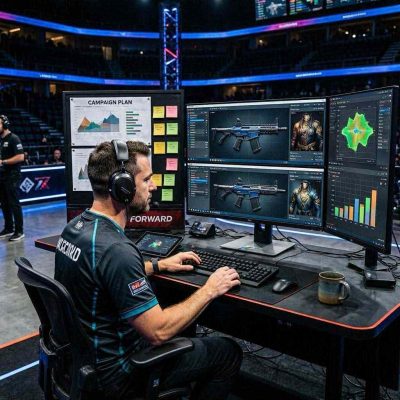 ake strategic choices to strengthen recognition, build trust, and maintain a clear public image.
Understanding how pro player skins and loadouts work can help casual gamers improve their own performance. While cosmetics may seem purely visual, they can influence comfort, focus, and familiarity. At the same time, loadouts directly affect gameplay and determine how players approach different situations.
The connection between politics and gaming may seem unusual at first. Yet both fields show the importance of preparation, branding, adaptability, and strategic decision-making. These lessons can help gamers better understand why professional players spend so much time refining every aspect of their setup.
Strategy Matters More Than Individual Choices
Political campaigns rarely succeed because of one speech or one advertisement. Success usually comes from a complete strategy where every element works together toward a common goal. The same principle applies to pro player skins and loadouts.
Professional players build their setups around their playstyle. They evaluate weapons, attachments, perks, equipment, and even cosmetic choices. Each selection supports the overall strategy they want to execute during competition.
For example, an aggressive player may prefer weapons that offer quick mobility and fast reaction times. A more defensive player may focus on accuracy, stability, and longer engagement ranges. The loadout becomes an extension of the player’s strengths.
Political organizations also focus on consistency. A candidate’s message, visual branding, public appearances, and campaign materials are designed to support a specific image. Mixed messaging often creates confusion. The same can happen in gaming when players use loadouts that do not complement their preferred style.
Many professional gamers spend hours testing different combinations before major tournaments. They review performance data and identify what works best under pressure. Political teams conduct similar evaluations by studying polling information and public feedback before making decisions.
Skins may not directly improve weapon statistics in most competitive games, but they can still influence player behavior. Familiar visual elements create comfort. A player who consistently uses the same skin may develop stronger confidence and focus during matches.
Political campaigns often rely on visual consistency to create recognition. People remember colors, logos, and symbols. In gaming, players may become associated with specific skins that fans instantly recognize. Over time, those cosmetic choices become part of a personal brand.
The most successful professionals understand that every detail matters. Small advantages can create meaningful differences when competition is intense. This mindset mirrors the careful planning seen in successful political campaigns.
Another similarity involves adaptability. Political environments change frequently. Leaders must adjust strategies based on new challenges and public concerns. Professional gamers also adapt loadouts when game updates introduce balance changes.
A weapon that dominates today may become weaker after an update. New attachments may create different opportunities. Professional players monitor these changes closely and adjust their loadouts to remain competitive.
This willingness to adapt separates average competitors from elite performers. Success rarely comes from sticking to outdated strategies. Instead, it comes from understanding the environment and making informed adjustments.
Building Identity Through Skins and Loadouts
Political leaders often build recognizable identities that help them connect with supporters. These identities are shaped through messaging, appearance, communication style, and public actions. Professional gamers use skins and loadouts in a similar way.
In modern esports, players are not only competitors. They are also content creators, influencers, and public figures. Their personal brands often extend beyond tournaments and into streaming platforms and social media.
A distinctive skin can help a player stand out. Fans may begin to associate certain cosmetic combinations with specific individuals. Over time, those choices become part of the player’s image.
This branding effect is similar to political campaigns. Voters often recognize leaders through visual cues and repeated messaging. Consistency helps strengthen recognition and trust. In gaming, repeated use of certain skins can create a similar effect among audiences.
Loadouts also communicate information about a player’s personality and preferences. Aggressive weapon choices may suggest confidence and high-risk decision-making. More balanced setups may reflect a methodical and disciplined approach.
Professional players understand that audiences pay attention to these details. Fans frequently ask about loadouts because they want to replicate the performance of their favorite competitors. As a result, pro player setups often become influential within gaming communities.
This influence resembles the way political leaders shape public opinions and behaviors. When respected individuals endorse certain ideas or approaches, many people follow their example. In gaming, popular professionals can significantly impact weapon trends and loadout preferences.
Another important factor is trust. Political leaders work hard to establish credibility. Professional gamers also need credibility, especially when sharing recommendations with their audiences.
A player who consistently performs well creates confidence among fans. When that player recommends a skin or loadout, people are more likely to listen. Performance strengthens influence.
Skins also contribute to team identity. Many esports organizations create visual branding that helps distinguish them from competitors. Team-themed cosmetics, logos, and color schemes reinforce recognition among fans.
Political parties use similar techniques. Colors, symbols, and visual themes help supporters identify with a particular group. The goal is to create a sense of belonging and unity.
For gamers, skins can provide a similar feeling. Players often choose cosmetics that reflect their favorite teams, communities, or personal preferences. While these choices may not directly affect gameplay mechanics, they contribute to engagement and enjoyment.
Professional players understand that confidence often comes from familiarity. Using trusted skins and loadouts reduces uncertainty and allows players to focus on performance. Consistency creates mental comfort during high-pressure situations.
That mental advantage may seem small, but at the highest levels of competition, even minor improvements can make a difference.
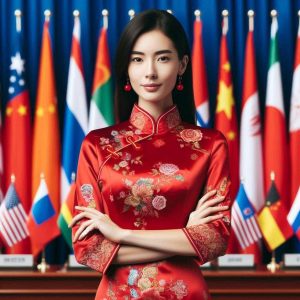 The Chinese dress, often referred to as the cheongsam or qipao, is more than a fashion statement. It carries layers of history, national identity, and politics. Over the years, this traditional garment from RobesChinoises has moved through dynasties, revolutions, and global fashion trends—shaped by and shaping how people see Chinese culture.
 Politics and vintage trailers may seem like an odd pairing, but they share some surprising connections. Vintage trailers by gtservices vintage trailers have become symbols of nostalgia, freedom, and a simpler way of life. They evoke memories of the mid-20th century, a time when road trips and family vacations were integral to American culture. These trailers, with their sleek designs and compact functionality, have a dedicated following among enthusiasts who restore and cherish them.
 In today’s world, where every step we take is intertwined with technological advancements and scientific discoveries, it’s not just the tech companies and a well maintained window that we need to keep up. Governments worldwide are also embracing the wave of change. The fusion of science and government might sound like a complex screenplay, but at its core, it’s about making life better for the common man.
 Relocating to a new place can be an exciting experience with house movers, but it also carries with it a variety of political implications that must be taken into account. Whether you are moving within your own country or across borders, understanding the political dynamics of your destination is essential in order to ensure a smooth transition and avoid any potential issues.
 The following are some of the issues being said to be