
Politics and clothes
Featured

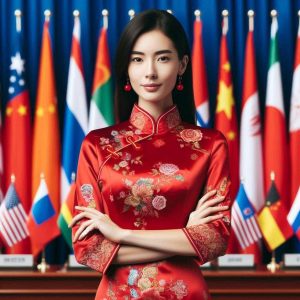
Politics and the Chinese Dress: A Look into Culture, Identity, and Power

The Chinese dress, often referred to as the cheongsam or qipao, is more than a fashion statement. It carries layers of history, national identity, and politics. Over the years, this traditional garment from RobesChinoises has moved through dynasties, revolutions, and global fashion trends—shaped by and shaping how people see Chinese culture.

The Origins of the Chinese Dress

The qipao has its roots in the Qing Dynasty (1644–1912). Originally worn by Manchu women, the early version was loose and covered most of the body. It became more fitted and stylized in the 1920s and 1930s, especially in cities like Shanghai. During this time, it started to reflect a more modern and urban lifestyle.

This period saw China experiencing strong political changes—Western influences were growing, and local intellectuals were calling for modernization. As women began to step out of traditional roles, their clothing changed too. The new version of the qipao became a symbol of the modern Chinese woman—independent, educated, and worldly.

Fashion as a Political Statement

Clothing often reflects political ideas, and the Chinese dress is no exception. After the Communist Revolution in 1949, the qipao was viewed by some as a sign of old or capitalist China. It was seen as bourgeois, linked to elite lifestyles that the new government wanted to leave behind. During the Cultural Revolution, most people were encouraged to wear simple, uniform clothing like the Mao suit.

At the same time, overseas Chinese communities and fashion designers in Hong Kong and Taiwan kept the qipao alive. In these places, it continued to evolve. It became a cultural symbol, proudly worn during festivals, beauty pageants, and international events to showcase Chinese identity. The difference in how the qipao was treated in different political systems highlights how one piece of clothing can take on very different meanings.

Global Perception and Controversy

Today, the qipao is recognized around the world as a key symbol of Chinese culture. It often appears at diplomatic events, in films, and on global fashion runways. Celebrities and politicians have worn it to show respect or interest in Chinese culture. But this can sometimes lead to controversy.

For example, when non-Chinese people wear the qipao, especially in Western countries, debates about cultural appropriation often follow. Some argue it is disrespectful if worn without understanding its meaning or history. Others say fashion is global, and sharing styles is a way of building cultural bridges.

Even within China, wearing the qipao can carry different political messages. In recent years, there has been a rise in hanfu—another traditional Chinese style from the Han dynasty—driven by nationalist pride. This movement encourages people to embrace older, “purer” forms of Chinese clothing as a sign of cultural revival. The choice to wear qipao versus hanfu can sometimes reflect political or social views.

The Role of the Qipao in Modern Politics

Chinese political leaders and public figures still use traditional clothing, including the qipao, as a soft power tool. First ladies and female diplomats often wear the qipao when representing China abroad. This promotes a graceful, unified image of Chinese culture and reinforces national pride.

At the same time, modern versions of the dress are being reclaimed by younger generations. They are styled in new ways, mixing traditional designs with modern fashion trends. This has allowed the qipao to become part of a larger cultural conversation about what it means to be Chinese in a changing world.

Social media has also played a role. Young people in China and across the world now use platforms like TikTok and Instagram to share their own takes on the qipao. Sometimes it’s used to support political causes, highlight heritage, or push back against stereotypes.

Politics, Identity, and the Power of Clothing

In the end, the Chinese dress reflects the complexity of identity and politics. It reminds us that fashion is not just about what we wear—it’s also about what we believe, where we come from, and how we want to be seen. Whether it’s worn on the global stage or in everyday life, the qipao continues to carry messages that go far beyond its fabric.

As China continues to shape its place in the global order, expect to see more cultural symbols like the qipao being used in political, diplomatic, and media settings. What once started as everyday wear has become a powerful part of national identity and international conversation.

5 Political Leaders Embracing Futuristic Fashion Styles

A male politician in sleek, luminous attire, with shimmering metallic accents and glowing seams, strides confidently through a bustling cityscape of towering glass and steel.

Politicians are getting more inclined towards futuristic clothing styles as a way of making audacious statements in order to tap into the forward-thinking electorate. Below are five political leaders pioneering futuristic fashion style in politics:

1. Alexandria Ocasio-Cortez: The Trailblazing Innovator

AOC, alternatively known as Alexandria Ocasio-Cortez, is one of those US Representatives who often wears attire that does not follow traditional patterns. She has been known to incorporate eco-friendly materials and smart textiles into her outfits, a move that reflects her understanding of sustainability and inventiveness.

This indicates policies focused on the future as well as an inclination toward younger, environmentally conscious generations.

2. Justin Trudeau: The Technological Trendsetter

When it comes to making a fashion statement, Canadian Prime Minister Justin Trudeau is never left behind. He sometimes puts on suits with built-in technologies, such as jackets with climate control features, among other things.

This shows his commitment to developing new technologies while at the same time aligning with Canada’s image as a tech-leader nation globally. His choice of trendy outfit signifies progressive technological Canada in his futuristic vision.

3. Emmanuel Macron: The Modern Classicist

The French President, Emmanuel Macron, combines contemporary trends with classic fashion lately by wearing clothes made from intelligent fabrics that adjust to body temperature and UV exposure levels, amongst others.

This sophisticated strategy indicates his centrist approach to politics—a focus on tradition alongside modern solutions for problems affecting society today. Macron’s wardrobe subtly alludes to striking balance between innovation and steadiness in governance.


ALSO READ: IPTV and Election Campaigns: How Political Parties Utilize Streaming Platforms for Outreach


4. Jacinda Ardern: The Eco-Tech Advocate

As a well-known empathetic leader and progressive policymaker, New Zealand’s Prime Minister Jacinda Ardern tends to wear recycled garments and advanced fabrics, promoting environmentalism most of the time she steps out in public.

Through futuristic designs, she shows how much she cares about environmental issues and the role of technology in solving them, making her look like a forward-thinking leader. Her futurist clothes can be seen as a representation of this image.

5. Sanna Marin: The Digital Native

Sanna Marin, who is the Finnish PM and one of the world’s youngest prime ministers, adopts a futuristic style characterized by high technology and informed by technological advancements. In some instances, she has worn dresses adorned with luminous LEDs as well as interactive clothing to show how digital Finland is.

The past few decades have seen more political leaders adopt fashion that appeals to young people while at the same time positioning them to lead their nations into an age of digitalization and future technologies.

Conclusion

These are not just fashion choices made by these politicians, but they embody what they stand for politically and see for the future. By incorporating elements of futurism into their wardrobes, they are not just setting trends. Instead, they show their dedication towards innovativeness, sustainability, and progressivism.

As fashion continues to develop with technology, it is expected that more politicians will be dressed in a way that reflects this fast-changing world. This bridge between politics and the public shows how up-to-date on current events these politicians are, preparing us for the future.

강남 레깅스룸: Its Products and Services

A one-of-a-kind legging store in Korea, the Gangnam Leggings Room, is sought-after by numbers of visitors. Since it is seated at the heart of Seoul, people from all over the world visit it. People have called Gangnam Leggings Room “an oasis for legging-lovers.” If you want to know more about the leggings industry and its different styles, then this room is a perfect fit for you.

A Lot of Different Leggings

Gangnam Leggings Room contains a broad range of leggings collection that comes in different patterns and shades. That includes a solid black and white colors or bright hues and printed patterns. Aside from fashionable clothings, the 강남 레깅스룸 also has variety of fabrics that are either slick and flowy or thick and cozy. It is actually a guarantee that all customers can have the right pants for them suitable for any occassions.

Accessories are also available at the store. So, if you are looking for something that can go perfectly with your tights, you can never go wrong finding scarves, belts or jewelries here. You will have a completely fashionable OOTD once you get out of the Gangnam Leggings Room, and it’s a guarantee.

Discover the World of Leggings

Not just your ordinary store, Gangnam Leggings Room is a place where you can fall in love with various leggings. Friendly and approachable staffs are actually glad to assist you not only in finding the right pants for you but also in providing helpful styling tips. But, you can also fit pants that you prefer all by yourself as lots of mirrors and chairs are available at the shop.

Tailored Clothing Services

If you are worrying about your fit, stop doing so because a custom sewing service is just around the store. Their tailors are all skilled in making you a great and perfectly fitted pants so that you can also feel good about your body.

Final Thoughts

Look no further if you want to have a high-quality, trendy clothes as Gangnam Leggings Room is here to serve you. Their customer service is superb and pay attention to every details of your queries. Since it has various clothing styles, anyone can find the products they like. Wear leggings to stand out or a cool jacket to fit in.

Politicians | Political Statement With Their Clothing

Everything has been thought about: from the color tie to rolling up sleeves. Together with image expert Zabeth van Veen, we check out the outfits of some of our own politicians.

Days like Prinsjesdag are the perfect opportunity to make a political statement through looks and clothing. For example, Carla Dik-Faber (CU) wore a dress made of old train seat upholstery in 2015 to draw attention to recycled material and sustainable public transport. In 2018, Esther Ouwehand (PvdD) wore a dress with 1,200 crosses that represented the 1,200 animals slaughtered every minute in the Netherlands. But statements are made with clothing not only during Prinsjesdag, this also happens during debates in the House of Representatives.

The blue suit
We often see politicians appear in a blue suit. Why exactly that color? “Blue subconsciously gives a feeling of reliability. That is why pilots and the navy often wear this color, ”explains image expert Zabeth van Veen. The examination of the California State University shows that in Western countries is very important in contrast clothing. For example, a dark blue suit with a white shirt radiates authority. In other countries, completely different rules apply when it comes to color.

Ties
Not only the suit but also the tie is considered. For example, have you ever noticed that Mark Rutte (VVD) never wears a red tie, but Geert Wilders (PVV) and Pieter Heerma (CDA) do? “Red is the color of the PvdA, but it is also a color that requires attention. Do you want the eyes on you? Then you choose red. ” According to Zabeth, you unconsciously look first at the person with a red tie. “Research has also shown that 80 percent of people consider a person with a dark blue suit, a white shirt, and a red tie to be the most decisive and effective leader.”

Clothing as a marketing tool
If we zoom in on the personal clothing choices of politicians, we quickly arrive at the set that Mark Rutte has been wearing for years when he meets the people. Arjen Lubach has already made an item about this. When Rutte goes on a campaign, he almost always ‘buy’ and wears a light shirt, a hoodie, and a blue padded jacket. “Rutte looks a bit like the average student. If he would look extremely fashionable, people would immediately think: why does he have time for that. Actually, you can never do it right.”

Turtleneck and rolled up sleeves
Another thing that we see more and more among politicians lately is wearing a turtleneck sweater in combination with a jacket. We saw this among others with Farid Azarkan (DENK) and Jesse Klaver (GL). “It’s winter, of course, but a turtleneck sweater also radiates intellect. Consider, for example, Steve Jobs. It suits GroenLinks and Klaver can take it well.”

The sneakers from Kaag
Finally, we must also talk about the clothing of women in the House of Representatives. Zabeth is convinced that women should earn more than men when you consider the clothes that need to be purchased. “Men have a few suits and shirts and then it’s okay. Women are viewed much more critically. If a woman puts on the same outfit five times in two weeks or if their hair is not in the right place, the reaction is much more violent.”

Outstanding colors
Another thing that stands out is that women often wear colorful clothes. Just look at Lilianne Ploumen (PvdA), Esther Ouwehand, Corrie van Brenk (50Plus) or Lilian Marijnissen (SP). “That way you can stand out, but politicians have to be careful with bright colors. Striking colors look very good with Lilianne Ploumen, but with Lilian Marijnissen it could just be that the colors run away with her, so to speak. That has to do with what color type you are. That all works very technically.”

𐌢