
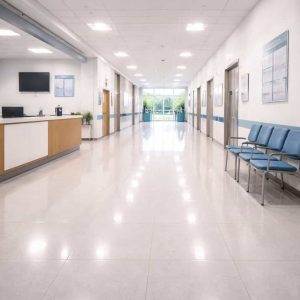
 Clean tiles may seem like a small detail in public spaces. But they play a quiet and important role in protecting public health, which is why many institutions rely on professional tile cleaning services to maintain safe and sanitary environments. Floors, walls, and surfaces covered in tile are common in hospitals, schools, transit stations, public housing, and government offices. These surfaces are built to last. They are also built to be cleaned. Keeping them clean is not just about appearance. It is a matter of public responsibility.
Public Spaces and Daily Exposure
Governments are responsible for creating safe environments for the people they serve. That duty includes maintaining public buildings to reduce the spread of disease. Tiles, especially in high-traffic areas, can collect dirt, bacteria, mold, and other harmful substances. When cleaning is delayed or inconsistent, these surfaces can become sources of infection.
People interact with public surfaces every day. They walk across tiled floors. They use tiled restrooms. Children sit and play in spaces with tiled walls and corridors. These everyday interactions make cleanliness essential. Regular cleaning reduces risks that are often invisible but real.
Hospitals and Infection Prevention
Hospitals offer the clearest example of the link between tile maintenance and health. Tile floors and walls are widely used in medical settings because they are durable and easy to disinfect. But even the best materials cannot protect patients on their own. They require routine cleaning, proper disinfectants, and trained staff.
When governments invest in cleaning services and clear maintenance standards, they reduce the risk of hospital-acquired infections. That protects vulnerable patients whose immune systems may already be weak. It also supports doctors, nurses, and staff who rely on hygienic environments to do their work safely. Preventing infections lowers long-term healthcare costs and reduces pressure on public health systems.
Schools and Healthy Learning Environments
Schools are another key setting. Children spend many hours a day in classrooms, cafeterias, and restrooms. Tile surfaces in these spaces are subject to constant use. Mud, spills, and germs are part of daily life.
Regular cleaning prevents the buildup of bacteria and allergens. It supports better indoor air quality. And it helps create an environment where students can focus on learning instead of missing school due to illness. Clean schools are not a luxury. They are part of supporting children’s development and well-being.
Governments that prioritize school maintenance show that student health matters. Simple steps, such as daily cleaning schedules and periodic deep cleaning of tile and grout, make a measurable difference.
Transportation Hubs and Public Safety
Public transportation hubs rely heavily on tile. Subway stations, bus terminals, and airport restrooms are exposed to thousands of people each day. In these areas, dirt and moisture can quickly accumulate.
Wet or poorly maintained tile floors can become slip hazards. Mold can develop in damp corners. By prioritizing cleaning schedules and proper drainage, governments protect both health and physical safety. Preventing accidents and limiting the spread of germs benefits everyone who uses these systems.
Clean transportation facilities also improve public confidence. When people feel safe in shared spaces, they are more likely to use public services regularly.
The Broader Impact on Community Well-Being
The connection between clean tiles and public health extends beyond infection control. Clean public spaces send a clear message. They show that community well-being matters.
People are more likely to respect and care for environments that are visibly maintained. Clean surroundings can reduce vandalism and encourage responsible behavior. This creates a positive cycle. When spaces are cared for, communities respond with care.
There is also an economic dimension. Preventive maintenance costs less than major repairs. Tiles that are cleaned and sealed properly last longer. Grout that is inspected and repaired early prevents water damage beneath the surface. Governments that invest in regular upkeep avoid expensive renovations later. This approach reflects responsible use of public funds.
Protecting Public Workers
Workplace health is another important factor. Custodial staff, healthcare workers, teachers, and other public employees all depend on clean facilities. When tiles are neglected, workers are exposed to greater levels of harmful substances.
A clear cleaning policy protects them as well. Governments have a responsibility not only to the public but also to their employees. Providing proper equipment, safe cleaning products, and training ensures that maintenance staff can perform their duties effectively and safely.
Standards, Technology, and Accountability
Modern cleaning technology makes this responsibility easier to meet. There are effective, environmentally friendly cleaning agents. There are machines designed to deep clean tile and grout with minimal water use. There are clear guidelines from public health authorities on sanitation standards.
When governments adopt evidence-based cleaning practices, they demonstrate leadership. They show that public health decisions are guided by data and care rather than reaction alone.
Transparency also strengthens public trust. Posting cleaning schedules or maintenance logs in public facilities reassures citizens. It shows accountability. It reminds people that cleanliness is planned and monitored, not left to chance.
A Practical and Positive Commitment
Maintaining clean tiles requires funding and planning. It means hiring trained custodial teams. It means setting inspection routines. It means responding quickly when damage or contamination is identified. These steps require coordination across departments. But they are realistic and achievable.
Public health is often discussed in terms of hospitals, vaccines, and emergency response. Those are essential. But everyday prevention is just as important. Clean surfaces are part of that foundation. A well-maintained restroom in a public park reduces the risk of disease transmission. A clean clinic waiting room lowers exposure to pathogens. A properly cleaned public housing building helps prevent mold-related respiratory problems.
Clean tiles are a simple example of how infrastructure and health are connected. They show that public health is not only about treatment. It is about prevention. It is about everyday care. Governments that recognize this responsibility strengthen the communities they serve. By maintaining clean, hygienic surfaces in public spaces, they protect health in steady and meaningful ways.