
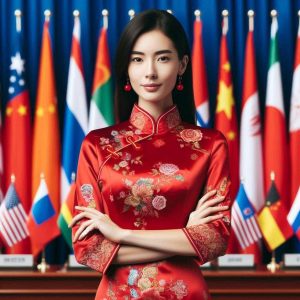
Politics and the Chinese Dress: A Look into Culture, Identity, and Power

The Chinese dress, often referred to as the cheongsam or qipao, is more than a fashion statement. It carries layers of history, national identity, and politics. Over the years, this traditional garment from RobesChinoises has moved through dynasties, revolutions, and global fashion trends—shaped by and shaping how people see Chinese culture.

The Origins of the Chinese Dress

The qipao has its roots in the Qing Dynasty (1644–1912). Originally worn by Manchu women, the early version was loose and covered most of the body. It became more fitted and stylized in the 1920s and 1930s, especially in cities like Shanghai. During this time, it started to reflect a more modern and urban lifestyle.

This period saw China experiencing strong political changes—Western influences were growing, and local intellectuals were calling for modernization. As women began to step out of traditional roles, their clothing changed too. The new version of the qipao became a symbol of the modern Chinese woman—independent, educated, and worldly.

Fashion as a Political Statement

Clothing often reflects political ideas, and the Chinese dress is no exception. After the Communist Revolution in 1949, the qipao was viewed by some as a sign of old or capitalist China. It was seen as bourgeois, linked to elite lifestyles that the new government wanted to leave behind. During the Cultural Revolution, most people were encouraged to wear simple, uniform clothing like the Mao suit.

At the same time, overseas Chinese communities and fashion designers in Hong Kong and Taiwan kept the qipao alive. In these places, it continued to evolve. It became a cultural symbol, proudly worn during festivals, beauty pageants, and international events to showcase Chinese identity. The difference in how the qipao was treated in different political systems highlights how one piece of clothing can take on very different meanings.

Global Perception and Controversy

Today, the qipao is recognized around the world as a key symbol of Chinese culture. It often appears at diplomatic events, in films, and on global fashion runways. Celebrities and politicians have worn it to show respect or interest in Chinese culture. But this can sometimes lead to controversy.

For example, when non-Chinese people wear the qipao, especially in Western countries, debates about cultural appropriation often follow. Some argue it is disrespectful if worn without understanding its meaning or history. Others say fashion is global, and sharing styles is a way of building cultural bridges.

Even within China, wearing the qipao can carry different political messages. In recent years, there has been a rise in hanfu—another traditional Chinese style from the Han dynasty—driven by nationalist pride. This movement encourages people to embrace older, “purer” forms of Chinese clothing as a sign of cultural revival. The choice to wear qipao versus hanfu can sometimes reflect political or social views.

The Role of the Qipao in Modern Politics

Chinese political leaders and public figures still use traditional clothing, including the qipao, as a soft power tool. First ladies and female diplomats often wear the qipao when representing China abroad. This promotes a graceful, unified image of Chinese culture and reinforces national pride.

At the same time, modern versions of the dress are being reclaimed by younger generations. They are styled in new ways, mixing traditional designs with modern fashion trends. This has allowed the qipao to become part of a larger cultural conversation about what it means to be Chinese in a changing world.

Social media has also played a role. Young people in China and across the world now use platforms like TikTok and Instagram to share their own takes on the qipao. Sometimes it’s used to support political causes, highlight heritage, or push back against stereotypes.

Politics, Identity, and the Power of Clothing

In the end, the Chinese dress reflects the complexity of identity and politics. It reminds us that fashion is not just about what we wear—it’s also about what we believe, where we come from, and how we want to be seen. Whether it’s worn on the global stage or in everyday life, the qipao continues to carry messages that go far beyond its fabric.

As China continues to shape its place in the global order, expect to see more cultural symbols like the qipao being used in political, diplomatic, and media settings. What once started as everyday wear has become a powerful part of national identity and international conversation.
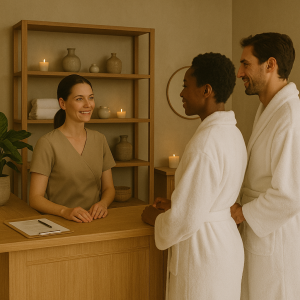
Encouraging Dialogue Around Mental Health, Stress Relief, and Wellness Services

Mental health isn’t a side issue. It’s central to how individuals function, how families stay stable, and how societies thrive. Yet for far too long, it has been left out of mainstream policy conversations, treated as a private matter rather than a shared public concern. That’s beginning to change.

Verified wellness centers, like those listed on platforms such as the OPCMD website, help ensure that individuals seeking massage or stress-relief therapy can access reputable, licensed providers with confidence. Especially in South Korea, directories like OPCMD reduce the guesswork and encourage people to take that first step toward care.

As mental wellness rises on national and local agendas, the challenge now is to build a broader framework of care. Massage, along with counseling services, mental health professionals, and holistic care providers, are essential to that framework, but they’re only part of the solution. What we need is a culture shift, one where care is accessible, encouraged, and understood as a strength, not a weakness.

Why Mental Health Deserves Policy Attention

Mental health conditions affect millions of people every year. These are common, deeply human experiences. And yet stigma still lingers. Many avoid seeking help out of fear, fear of being judged, misunderstood, or penalized. But that silence doesn’t protect people; it isolates them.

Smart policy has the power to break that silence. By integrating mental health care and stress relief services into schools, workplaces, and community programs, governments can normalize care and permit people to prioritize their own well-being.

It’s not just about raising awareness, it’s about ensuring access. Services must be affordable, easy to navigate, and culturally responsive. That’s where verified wellness centers, including massage therapy providers and stress-relief specialists, can make a meaningful difference, mainly when supported by strong public systems.

The Role of Wellness Services in a Bigger System

Massage and wellness centers offer accessible care options for people seeking relief from physical and emotional stress. Whether it’s stress-focused massage therapy, relaxation techniques, breathwork, or mind-body practices, these services support mental wellness in non-invasive, approachable ways.

They often serve as the first touchpoint for individuals who may not feel ready or able to access clinical mental health care. For many, this kind of care is sufficient to prevent escalation. It can reduce anxiety, improve sleep, and support emotional regulation.

But these services are most effective when they’re part of a larger, interconnected system, one that includes therapy, preventive care, and community resources. A wellness strategy shouldn’t be one-size-fits-all. Some people need long-term mental health support; others benefit from short-term, stress-reducing treatments. The key is options and policies that help expand them.

Reducing Stress, Not Just Treating Symptoms

If we’re serious about improving mental wellness, we must look upstream at the everyday pressures that wear people down. That means addressing workplace burnout, financial insecurity, housing instability, and unpaid caregiving. These are not just economic issues; they are major mental health risk factors.

Stress builds when people feel unsupported and overwhelmed. It affects emotional health, decision-making, and even physical well-being. Massage therapy and other wellness services can provide meaningful relief, but they shouldn’t be the only safety net.

Public policy can help by:

  • Supporting paid leave and job flexibility
  • Expanding access to childcare and eldercare
  • Making housing more stable and affordable
  • Promoting mental health education and early intervention

These are not luxury reforms. They’re essential infrastructure for emotional health.

Building a Culture That Talks and Listens

Mental health conversations shouldn’t be reserved for crisis moments. They should happen every day in schools, offices, places of worship, and online. Leaders can set the tone by being transparent about their own struggles and challenges. Educators can incorporate emotional literacy into their classrooms. Workplaces can train staff to recognize and respond to signs of stress or burnout with compassion, not penalties.

Dialogue is the first step, but it must lead to action. Awareness without access is not enough. Real support means funding programs, building inclusive infrastructure, and ensuring that every community has local, trustworthy care providers.

A Bigger Vision of Care

Massage and wellness centers are valuable resources, but they can’t carry the full weight of a nation’s mental health needs. What we need is a systems-based approach, one that treats care as a right, not a privilege.

That means:

  • Investing in prevention, not just crisis response
  • Supporting diverse, community-based care models
  • Addressing the root causes of chronic stress
  • Ensuring that everyone, regardless of income, background, or geography, has access to safe, verified care

Progress doesn’t happen through symbolic gestures. It happens through long-term investment, policy reform, and cultural change.

Final Thoughts

Mental wellness is everyone’s business. And our public policies should reflect that truth. 

Whether it’s through licensed therapists, community wellness providers, or stress-relief-focused massage centers, care should be visible, validated, and within reach. We all benefit from a society where people can seek help without shame and recover without barriers.

The future of mental health isn’t just clinical, it’s cultural. It begins with shifting our perspective on care, expanding how we deliver it, and ensuring that no one feels alone in their struggle. Platforms such as OPCMD make these services more accessible by connecting users with certified providers, helping integrate wellness practices into everyday life.

In short, real progress means building systems where people can thrive, not just survive. And that’s a vision worth fighting for.