
More than 44 million households in the United States live in rental housing, and a significant share of those residents occupy multi-unit buildings where maintenance practices can directly affect health, safety, and quality of life. Data from the U.S. Census Bureau and housing studies from the Joint Center for Housing Studies of Harvard University show that aging housing stock, rising population density, and affordability pressures have intensified debates over how cities should regulate residential property maintenance.
Municipal governments across North America are increasingly considering stronger oversight of apartment complexes, condominiums, and other multi-family housing developments. Supporters argue that enhanced inspections and enforcement can prevent unsafe living conditions, while critics warn that additional regulations may increase costs for property owners and tenants alike. Discussions often include issues such as structural repairs, sanitation standards, pest management, and access to professional bed bug extermination services when infestations occur. The debate raises an important question: should cities expand their role in enforcing property maintenance standards in multi-unit housing?
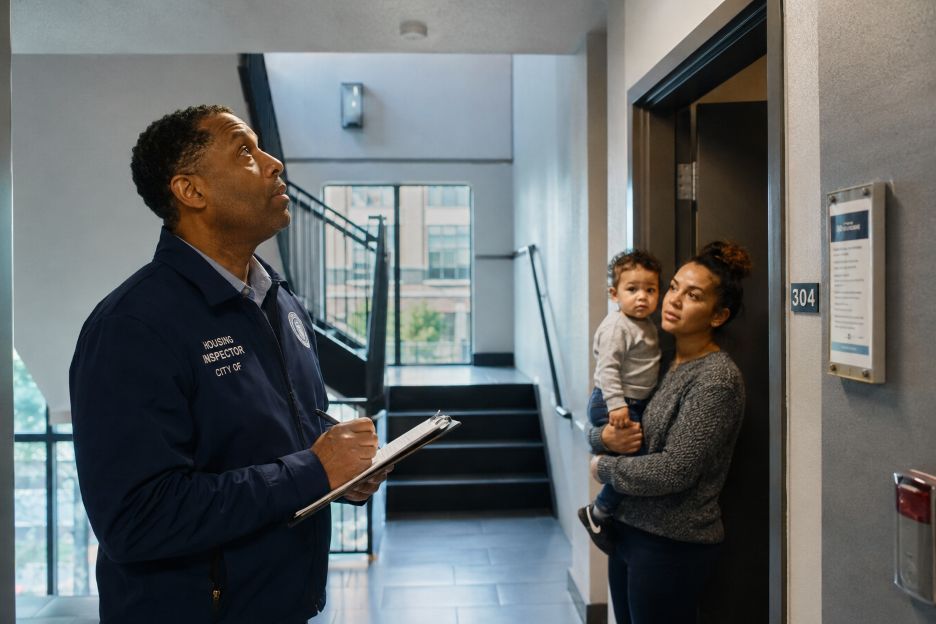
Municipal Oversight and the Case for Stronger Enforcement
Advocates of increased oversight argue that local governments have a responsibility to ensure that residents live in safe and healthy environments. Housing conditions can affect entire communities, particularly in densely populated urban areas where problems within one unit may spread to neighboring apartments.
Research published by the Centers for Disease Control and Prevention (CDC) shows that substandard housing conditions can contribute to injuries, respiratory issues, and exposure to environmental hazards. Problems such as water leaks, mold growth, poor ventilation, and pest infestations often worsen when maintenance concerns are not addressed promptly.
Supporters contend that stronger inspection programs help identify issues before they become larger and more expensive problems. Regular evaluations can reveal deteriorating infrastructure, fire safety concerns, plumbing failures, and sanitation issues that may otherwise remain hidden.
Experts at the National Center for Healthy Housing note that preventive maintenance is generally more cost-effective than emergency repairs. Early intervention can reduce long-term expenditures for property owners while improving living conditions for tenants.
Another argument focuses on accountability. In many cities, enforcement actions are triggered primarily through tenant complaints. Advocates argue that this system places an unfair burden on residents, some of whom may fear retaliation or eviction if they report maintenance concerns. Proactive inspections, they say, create a more equitable framework by identifying violations regardless of whether complaints are filed.
Concerns About Regulatory Burden and Housing Costs
Despite these arguments, opponents caution against expanding municipal oversight without considering economic consequences. Property owners and housing associations often express concern that additional inspections, compliance requirements, and administrative procedures can increase operational costs.
Data from the National Apartment Association suggests that regulatory compliance already represents a substantial expense for many housing providers. Owners must navigate building codes, environmental regulations, accessibility requirements, and safety standards. Adding new layers of oversight may require further investments in staffing, documentation, and upgrades.
Critics argue that these costs are frequently passed on to tenants through higher rents. In markets already facing affordability challenges, additional expenses could place further pressure on residents struggling to secure stable housing.
Some stakeholders also question whether municipalities possess the resources needed to implement expanded oversight effectively. Inspection programs require trained personnel, administrative support, and enforcement mechanisms. Without adequate funding, increased regulations may create delays and inconsistencies rather than meaningful improvements.
There is also concern about one-size-fits-all policies. Multi-unit housing varies widely, from small duplexes to large apartment towers. Property owners argue that regulatory frameworks should account for differences in building age, size, occupancy patterns, and local market conditions.
Public Health Implications of Housing Maintenance
Public health considerations remain one of the strongest arguments for municipal involvement. Housing conditions have long been recognized as social determinants of health, influencing physical well-being, mental health, and community stability.
The World Health Organization (WHO) identifies safe housing as a fundamental component of healthy urban environments. Poor maintenance can contribute to injuries, infectious disease transmission, and environmental exposures that affect vulnerable populations, including children, older adults, and individuals with chronic illnesses.
Pest management illustrates the connection between housing and public health. Infestations may spread rapidly through shared walls, ventilation systems, and common areas in multi-unit buildings. Research published by the Environmental Protection Agency (EPA) indicates that integrated pest management strategies are often most effective when implemented building-wide rather than within individual units.
Sanitation concerns can also have economic consequences. Businesses operating in mixed-use residential buildings may experience reputational damage when maintenance issues become visible to customers. Property values may decline in neighborhoods where neglected buildings contribute to broader perceptions of deterioration. Discussions about the connection between cleanliness and public health outcomes increasingly highlight how routine maintenance standards can influence both community well-being and confidence in local housing conditions.
Public health experts frequently note that prevention tends to be more effective than reaction. Consistent maintenance standards can reduce risks before they escalate into emergencies requiring costly interventions from public agencies, healthcare systems, or emergency responders.
Finding a Balanced Policy Approach
The debate is ultimately less about whether housing standards matter and more about determining the most effective method of enforcement. Strong oversight can improve safety and public health outcomes, yet excessive regulation may introduce financial burdens that affect housing affordability.
A balanced approach may involve targeted inspection programs that prioritize higher-risk properties while reducing unnecessary administrative requirements for well-maintained buildings. Several municipalities have experimented with risk-based inspection models that allocate resources toward properties with histories of violations while rewarding compliance through reduced inspection frequency.
Technology may also play a role. Digital reporting systems, online maintenance records, and data-driven inspection scheduling can help local governments identify problem areas more efficiently. Such tools may improve accountability without imposing excessive costs on property owners.
Collaboration between municipalities, landlords, tenant organizations, and public health agencies can further strengthen outcomes. Rather than relying solely on punitive enforcement, cities may benefit from combining inspections with educational programs, technical assistance, and incentives for preventive maintenance.
Closing Analysis
Cities face growing pressure to ensure that multi-unit housing remains safe, healthy, and sustainable as urban populations continue to expand. Stronger oversight offers clear benefits, particularly when addressing public health concerns, infrastructure deterioration, and persistent maintenance violations. At the same time, policymakers must carefully consider the financial and administrative impact of new regulations.
The most effective path forward likely lies between minimal oversight and excessive regulation. Thoughtfully designed enforcement programs, supported by data, public health expertise, and stakeholder collaboration, can help cities maintain housing quality while preserving affordability. As communities continue to confront evolving housing challenges, balanced property maintenance policies will remain an important part of the broader conversation about urban governance and resident well-being.