
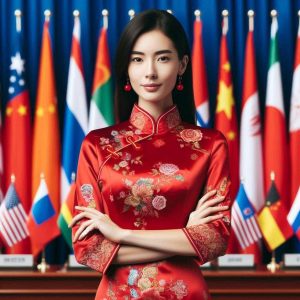
 The Chinese dress, often referred to as the cheongsam or qipao, is more than a fashion statement. It carries layers of history, national identity, and politics. Over the years, this traditional garment from RobesChinoises has moved through dynasties, revolutions, and global fashion trends—shaped by and shaping how people see Chinese culture.
The Origins of the Chinese Dress
The qipao has its roots in the Qing Dynasty (1644–1912). Originally worn by Manchu women, the early version was loose and covered most of the body. It became more fitted and stylized in the 1920s and 1930s, especially in cities like Shanghai. During this time, it started to reflect a more modern and urban lifestyle.
This period saw China experiencing strong political changes—Western influences were growing, and local intellectuals were calling for modernization. As women began to step out of traditional roles, their clothing changed too. The new version of the qipao became a symbol of the modern Chinese woman—independent, educated, and worldly.
Fashion as a Political Statement
Clothing often reflects political ideas, and the Chinese dress is no exception. After the Communist Revolution in 1949, the qipao was viewed by some as a sign of old or capitalist China. It was seen as bourgeois, linked to elite lifestyles that the new government wanted to leave behind. During the Cultural Revolution, most people were encouraged to wear simple, uniform clothing like the Mao suit.
At the same time, overseas Chinese communities and fashion designers in Hong Kong and Taiwan kept the qipao alive. In these places, it continued to evolve. It became a cultural symbol, proudly worn during festivals, beauty pageants, and international events to showcase Chinese identity. The difference in how the qipao was treated in different political systems highlights how one piece of clothing can take on very different meanings.
Global Perception and Controversy
Today, the qipao is recognized around the world as a key symbol of Chinese culture. It often appears at diplomatic events, in films, and on global fashion runways. Celebrities and politicians have worn it to show respect or interest in Chinese culture. But this can sometimes lead to controversy.
For example, when non-Chinese people wear the qipao, especially in Western countries, debates about cultural appropriation often follow. Some argue it is disrespectful if worn without understanding its meaning or history. Others say fashion is global, and sharing styles is a way of building cultural bridges.
Even within China, wearing the qipao can carry different political messages. In recent years, there has been a rise in hanfu—another traditional Chinese style from the Han dynasty—driven by nationalist pride. This movement encourages people to embrace older, “purer” forms of Chinese clothing as a sign of cultural revival. The choice to wear qipao versus hanfu can sometimes reflect political or social views.
The Role of the Qipao in Modern Politics
Chinese political leaders and public figures still use traditional clothing, including the qipao, as a soft power tool. First ladies and female diplomats often wear the qipao when representing China abroad. This promotes a graceful, unified image of Chinese culture and reinforces national pride.
At the same time, modern versions of the dress are being reclaimed by younger generations. They are styled in new ways, mixing traditional designs with modern fashion trends. This has allowed the qipao to become part of a larger cultural conversation about what it means to be Chinese in a changing world.
Social media has also played a role. Young people in China and across the world now use platforms like TikTok and Instagram to share their own takes on the qipao. Sometimes it’s used to support political causes, highlight heritage, or push back against stereotypes.
Politics, Identity, and the Power of Clothing
In the end, the Chinese dress reflects the complexity of identity and politics. It reminds us that fashion is not just about what we wear—it’s also about what we believe, where we come from, and how we want to be seen. Whether it’s worn on the global stage or in everyday life, the qipao continues to carry messages that go far beyond its fabric.
As China continues to shape its place in the global order, expect to see more cultural symbols like the qipao being used in political, diplomatic, and media settings. What once started as everyday wear has become a powerful part of national identity and international conversation.
 Wreaths have been used for centuries to mark power, mourning, unity, and memory. From the laurel crowns of ancient Rome to the floral wreaths laid at memorials today, they convey powerful messages that extend far beyond mere decoration. Their shapes and materials may vary, but the symbolism remains strong, offering comfort, pride, and collective memory across nations.